-p-500%20(1).png)
Financial Literacy Resources for Students and Adults
Need Help Reviewing Your Account?
Contact UsThat gap doesn’t shrink with age. When bills, credit pressure, or collection notices enter the picture, stress crowds out learning, not motivation or effort.
You don’t need motivational speeches or retrospective lessons. You need free, credible tools that explain choices plainly and help you act without adding confusion or judgment.
In this article, we will explore trusted financial literacy resources for students and adults. You’ll see how to use them under real pressure, and where knowledge restores control when money already feels tight.
Key Takeaways
- Financial literacy helps you make informed money decisions, even under pressure, whether you're a student or an adult managing debt.
- Free resources, like MyMoney.gov and Khan Academy, offer practical financial education for both students and adults to improve money management.
- Financial literacy shifts you from reacting to debt problems to making informed decisions, like evaluating settlement offers or understanding your legal rights.
- Young adults can build healthy financial habits early with tools like CashCourse and gamified apps to manage credit and budgeting.
- The real value of financial literacy resources is helping you take action, whether budgeting, disputing credit errors, or creating a realistic debt repayment plan.
What Financial Literacy Actually Means (and Why It Matters)
Financial literacy is your ability to understand everyday money decisions, such as budgeting, borrowing, saving, and managing debt, and how those choices affect your financial stability. It covers earning, spending, borrowing, saving, and planning without needing formal training or complex formulas.
The connection to outcomes is direct. People with stronger financial understanding tend to save more consistently, carry less high-interest debt, and recover faster when setbacks happen.
You can start building this understanding at any stage. Whether you're 18 or 58, in school or managing a household, the skills remain the same. Here's what that foundation includes:
- Reading and understanding account statements, loan terms, and credit reports
- Recognizing the difference between needs and wants when money is limited
- Knowing where to find help before a problem escalates
- Understanding your legal protections when dealing with creditors or collection efforts
The earlier you start, the more time you have to practice. But delay doesn't disqualify you from catching up. Fortunately, there are resources designed to help adults strengthen these essential skills and put them into practice.
Free Financial Literacy Resources for Adults
You're managing rent, utilities, insurance, debt payments, and maybe dependents. The stakes are higher because there's no safety net built in. Let’s explore the free resources that exist to close that gap.
1. Federal Resources (CFPB, MyMoney.gov)
The Consumer Financial Protection Bureau offers tools that explain your rights under federal law. You'll find guides on disputing errors on your credit report, understanding debt collection rules, and managing mortgage or student loan issues.
MyMoney.gov provides plain-language explainers on budgeting, credit, taxes, and retirement. It's organized by life stage and financial goal, so you can jump directly to what applies to you. There's no registration required and no email list to join.
Both platforms stay neutral. They don't push products or favor specific banks, lenders, or service providers.
2. Nonprofit Credit Counseling Organizations
Legitimate nonprofit counseling agencies often offer free or low-cost one-on-one guidance. They review your income, expenses, and debts, then help you build a realistic plan.
You can find accredited agencies through the National Foundation for Credit Counseling or the Financial Counseling Association of America. Look for organizations certified by the Department of Justice's U.S. Trustee Program if you're considering bankruptcy alternatives.
3. Online Financial Education Platforms
Several online platforms offer free financial education for adults, making it easier to learn at your own pace, including:
- Practical Money Skills provides lessons on budgeting, credit, and avoiding scams. While the platform is free, it is sponsored by Visa, so it’s not a completely neutral nonprofit. Despite this, the resources remain practical and widely used.
- Khan Academy offers a free personal finance curriculum covering topics like budgeting, saving, debt management, and broader economic principles. The content is educational and designed for self-paced learning, though it does not provide formal certifications.
- Other platforms, such as FDIC Money Smart, Money Fit, and various nonprofit sites, also provide free, structured lessons on personal finance. These programs focus on real-world skills like managing expenses, understanding credit, and planning for financial goals.
Also Read: Steps to Improve Your Financial Freedom Resources
These resources allow adults to strengthen their financial literacy at no cost, building knowledge that can be applied immediately to everyday decisions. Students and young adults need different starting points because their financial lives look different.
Financial Literacy Resources for Students and Young Adults
Young adults often make financial decisions without prior experience managing consequences. Student loans, credit cards, and first apartments all arrive at once. Resources built for this stage focus on building habits before mistakes compound.
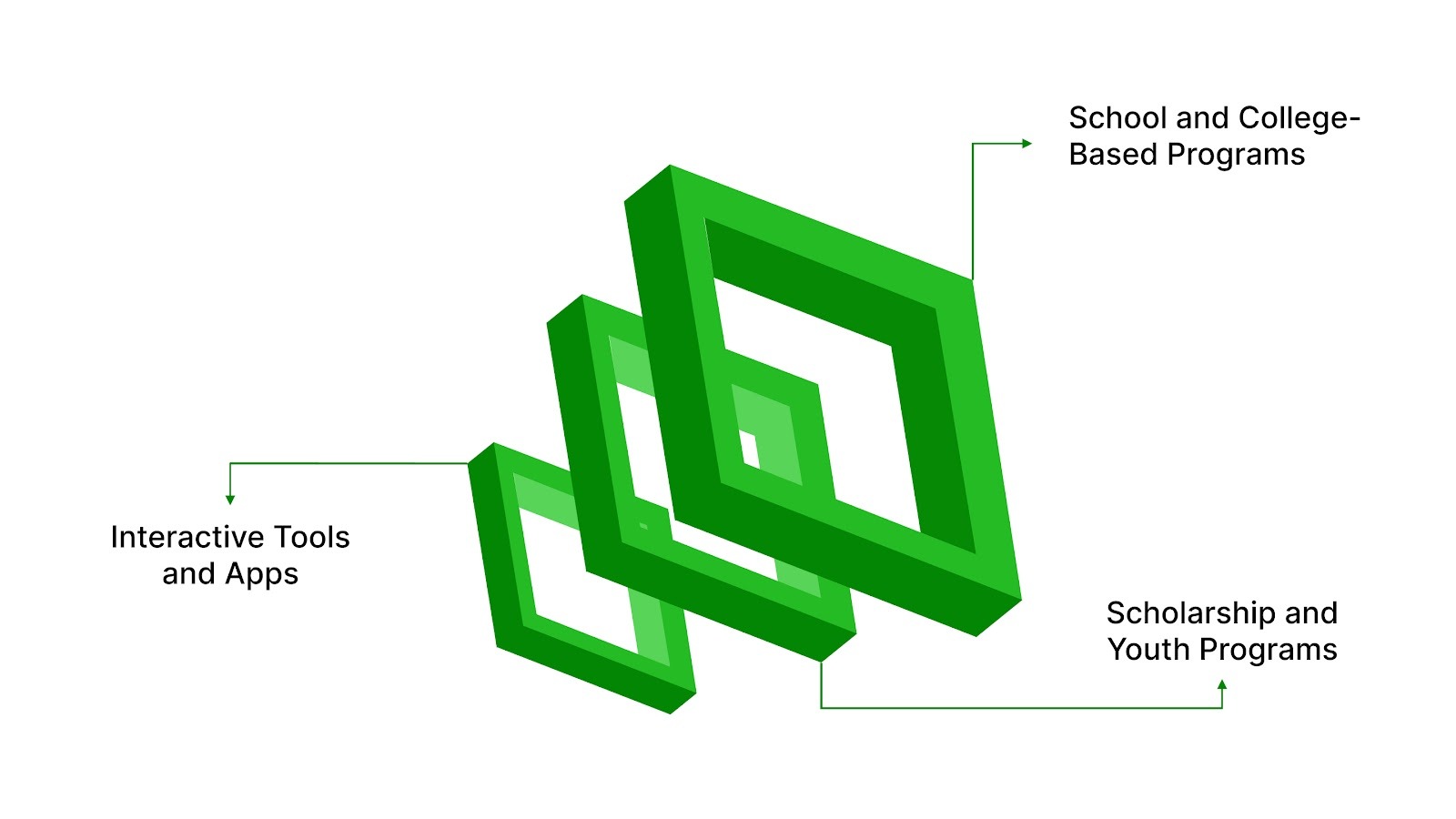
1. School and College-Based Programs
CashCourse is a free platform that many colleges offer through their financial aid offices. It includes modules on student loans, building credit, and managing part-time income. The lessons are short and designed to fit around class schedules.
The National Financial Educators Council provides age-specific materials for high schools and universities. Teachers and counselors can access lesson plans, while students get workbooks and interactive tools.
2. Interactive Tools and Apps
Gamified learning platforms turn budgeting and saving into challenges with progress tracking. Apps like Zogo use quizzes and rewards to make financial literacy more engaging for younger users. The format makes it easier to stay consistent because sessions last five to ten minutes.
Other tools simulate real scenarios. You manage a virtual budget, respond to unexpected expenses, and see how choices affect your savings or debt over time. The stakes are low, so you can experiment without real consequences.
3. Scholarship and Youth Programs
Some organizations tie financial education to scholarship opportunities. The Hagan Scholarship, for example, requires participants to complete financial literacy courses as part of their application. Other programs, like those run by local credit unions, offer small grants or matching savings accounts for students who finish specific modules.
Also Read: Best Finance Advisory Service Providers for Debt Management
Once young adults have access to these resources, the next step is focusing on the core financial topics that directly impact managing debt:
Key Topics to Focus On (Especially If You're Managing Debt)
When you're managing overdue payments or dealing with creditors, focus on the concepts that directly affect your next steps. Here are the key areas to prioritize:
- Budgeting and Expense Tracking: Track where your money goes, starting with fixed expenses like rent and utilities, then variable costs. Tools like Mint or YNAB help automate this, but consistency matters most. Small changes, like cutting a subscription, can free cash for debt.
- Understanding Credit Reports and Scores: Your report shows all accounts and payment history; your score summarizes risk for lenders. Get free annual reports at AnnualCreditReport.com, check for errors, and dispute inaccuracies. Rebuilding a low score takes time, but knowing what affects it helps.
- Debt Management and Repayment Strategies: Pick an approach that fits you. Avalanche tackles high-interest debt first; snowball pays off smaller balances to build momentum. Consolidation can simplify payments, but only if it truly improves your situation.
- Knowing Your Rights Under U.S. Debt Laws: FDCPA rules limit when and how collectors can contact you. They cannot harass, call at forbidden times, or threaten falsely. You can report violations to the CFPB and request written verification of any debt.
With these fundamentals in mind, you can start applying financial literacy to manage existing debt effectively.
How to Use Financial Literacy When You're Already in Debt
Most financial education is framed as prevention. Budget before you overspend. Save before emergencies hit. Build credit before you need to borrow. That advice helps people starting from stable ground, but it doesn't address what happens when you're already behind.
Literacy is restorative when you're managing debt because it shifts the dynamic. You stop reacting to every notice or phone call and start responding from a place of informed choice. Here's how that changes things:
- You can evaluate whether a settlement offer is fair or just the first number presented
- You understand the difference between a creditor and a collection agency, which clarifies who you're dealing with and what leverage exists
- You recognize when a statute of limitations may apply, so you avoid restarting the clock on certain debts by making uninformed payments (rules vary by state).
- You know what wage garnishment requires legally, so threats without court orders don't create unnecessary panic
Also Read: Finding the Best Free Online Financial Planner for Your Needs
Knowledge doesn't eliminate the debt, but it removes the fear that often prevents action. When you understand the process, the timeline, and your options, you can make decisions that align with your actual situation instead of reacting to pressure.
Taking Your Next Step with Confidence
Financial literacy helps you understand how money works. But when you're already dealing with unpaid accounts, calls from creditors, or confusing notices, knowledge alone doesn't solve the problem; action does.
Forest Hill Management provides account-level clarity and structured support that help turn complicated balances into manageable next steps. You don’t have to figure it all out alone; just follow a process designed for your situation.
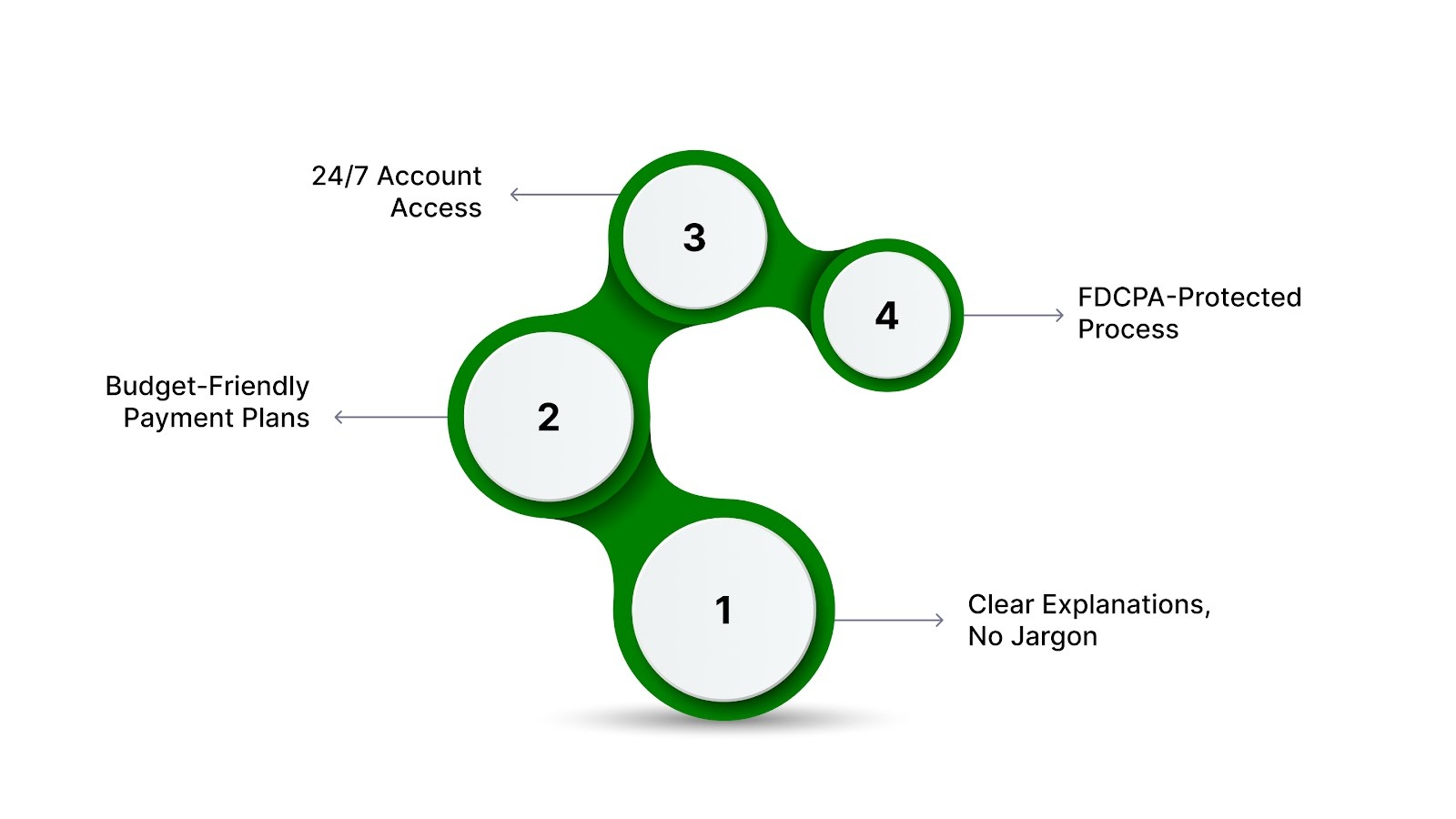
Here's what that looks like:
- Clear explanations, no jargon: You'll understand what you owe, why, and what your options are, without needing a finance degree.
- Payment plans that match your budget: Literacy teaches you to budget; Forest Hill helps you apply that budget to real repayment terms.
- Access to your account 24/7: Log in anytime to see your balance, make payments, or review your progress.
- Protection under federal law: Your rights under FDCPA are built into every interaction, ensuring you're treated fairly throughout the process.
Financial literacy gives you the tools. Working with a compliant, transparent account manager gives you the path.
Conclusion
Financial literacy is a mindset that transforms how you approach money. It helps you see choices clearly, weigh consequences, and make decisions that reflect your real-life priorities. Whether you’re a student learning the ropes or an adult managing multiple obligations, the value lies in applying knowledge where it matters most.
Understanding your finances is only part of the journey. Action: taking measured, informed steps, is what turns awareness into progress. When debt or overdue accounts are involved, having a structured path and reliable support can make a real difference.
Forest Hill Management supports the transition from understanding your options to acting on them, with transparency, compliance, and respect at every step.
Start your next step with confidence - reach out to Forest Hill Management today to see how manageable your account can be.
FAQs
1. How can I integrate financial literacy into my daily routine?
Building financial literacy doesn't require large chunks of time. Start small by tracking your spending every week or reviewing your credit score monthly. Consistently using budgeting apps or reading finance-related articles for 10 minutes daily can slowly build your understanding without overwhelming your routine.
2. What should I do if I disagree with a financial literacy resource or advice I find?
It's important to cross-check financial advice with multiple reputable sources. If you’re uncertain about advice from a specific resource, look for confirmation in official government websites (like the CFPB or IRS), trusted financial institutions, or consult a financial counselor.
3. How do I evaluate the credibility of financial literacy programs or tools?
Check if the program is accredited by recognized organizations or government bodies. See if the information is up-to-date and whether the resource provides transparent funding sources or avoids pushing specific products. Look for reviews or testimonials from users who have applied the resource successfully.
4. Is there any risk in using free financial literacy tools?
While free tools are generally safe, some may be sponsored by companies with specific agendas, such as promoting certain financial products. Always assess the neutrality of a resource and ensure it's not using your data for marketing or sales purposes.
5. How can I stay motivated to continue improving my financial literacy over time?
Set achievable, small milestones (like tracking spending for one month or paying down a specific debt). Celebrate those wins, no matter how small. Keeping a personal finance journal, or finding a financial accountability partner or group, can also create a sense of support and keep you motivated as you progress.