-p-500%20(1).png)
Is Loan Portfolio Acquisition a Loan Transfer for Your Account?

Need Help Reviewing Your Account?
Contact UsA notice that your loan is “transferred” can raise a lot of questions. You may wonder who you pay now, whether your terms changed, and how to keep your account on track. That uncertainty can feel stressful, especially when you already manage a tight budget.
A loan transfer often happens when a group of accounts is moved from one company to another through a process called loan portfolio acquisition, usually for servicing and account management. The details can sound technical, and the steps you need are simple.
This guide explains what loan portfolio acquisition means, what usually stays the same, what changes, and how to protect yourself from payment mistakes. You will also learn how to prepare for a repayment conversation if payments feel hard.
Key Takeaways
- Verification creates confidence. When you confirm who manages your account and where to pay, you reduce stress and avoid payment mistakes.
- Records reduce confusion. Saving notices and receipts gives you clarity, supports peace of mind, and keeps progress easy to track.
- A realistic plan supports consistency. A payment plan that fits your budget is easier to follow, and it helps you move forward steadily.
- Support makes transitions smoother. Clear guidance and secure payments help you stay on track through changes in servicing or account management.
What Does “Loan Portfolio Acquisition” Mean?
A loan portfolio acquisition happens when a company takes over a group of loans or accounts at the same time. You may also hear people call this a portfolio transfer. The key point is simple. Your account is now managed by a different company that handles payments and account communication.
For you, the change is usually about who manages your account and how you make payments, not about creating a new loan.
You may still owe the same balance. You may still follow the same payment schedule. You may also see new instructions for where payments go.
What you may notice after a portfolio transfer
You may see one or more of these updates.
- A letter that explains the account transfer and new contact details
- A new online payment portal or updated payment link
- A new mailing address for check payments
- A different phone number for account questions
- A new statement format or payment confirmation style.
A portfolio transfer can feel disruptive at first. It can also become smooth once you verify the details, save your records, and use secure payment options that help you track progress.
Also Read: Understanding Compound Asset Acquisition for Financial Growth
What Stays The Same, And What Changes After a Transfer
A transfer can feel like a big shift, and many parts of your loan often stay steady. The key is knowing what to expect, so you can spot real changes quickly and avoid confusion.
What usually stays steady
In many cases, the core terms of your loan remain the same. That includes:
- Your balance as shown on your most recent statement, plus any new activity
- Your interest rate if your original agreement keeps it fixed
- Your payment schedule, such as monthly due dates
- Your responsibility to repay the account generally continues under the original agreement.
If a term changes, you usually receive a clear written notice. Written notice gives you a reliable reference point.
What often changes
The most common changes affect how you manage payments and support.
- Where you send payments, such as a new portal, address, or payment method
- Who you contact for questions about your account
- How you receive statements, such as paper, email, or portal access
- How payments are confirmed, such as receipt format or confirmation numbers.
A quick way to stay in control
Use this simple rule.
- Trust written notices and receipts, then organize them in one place.
- Confirm payment instructions before sending money, especially after a new notice.
Once you know what stays stable and what commonly changes, you can respond with calm steps instead of guesswork.
Also Read: 10 Benefits of Acquisitions for Businesses
The First Steps to Take When You Receive a Transfer Notice
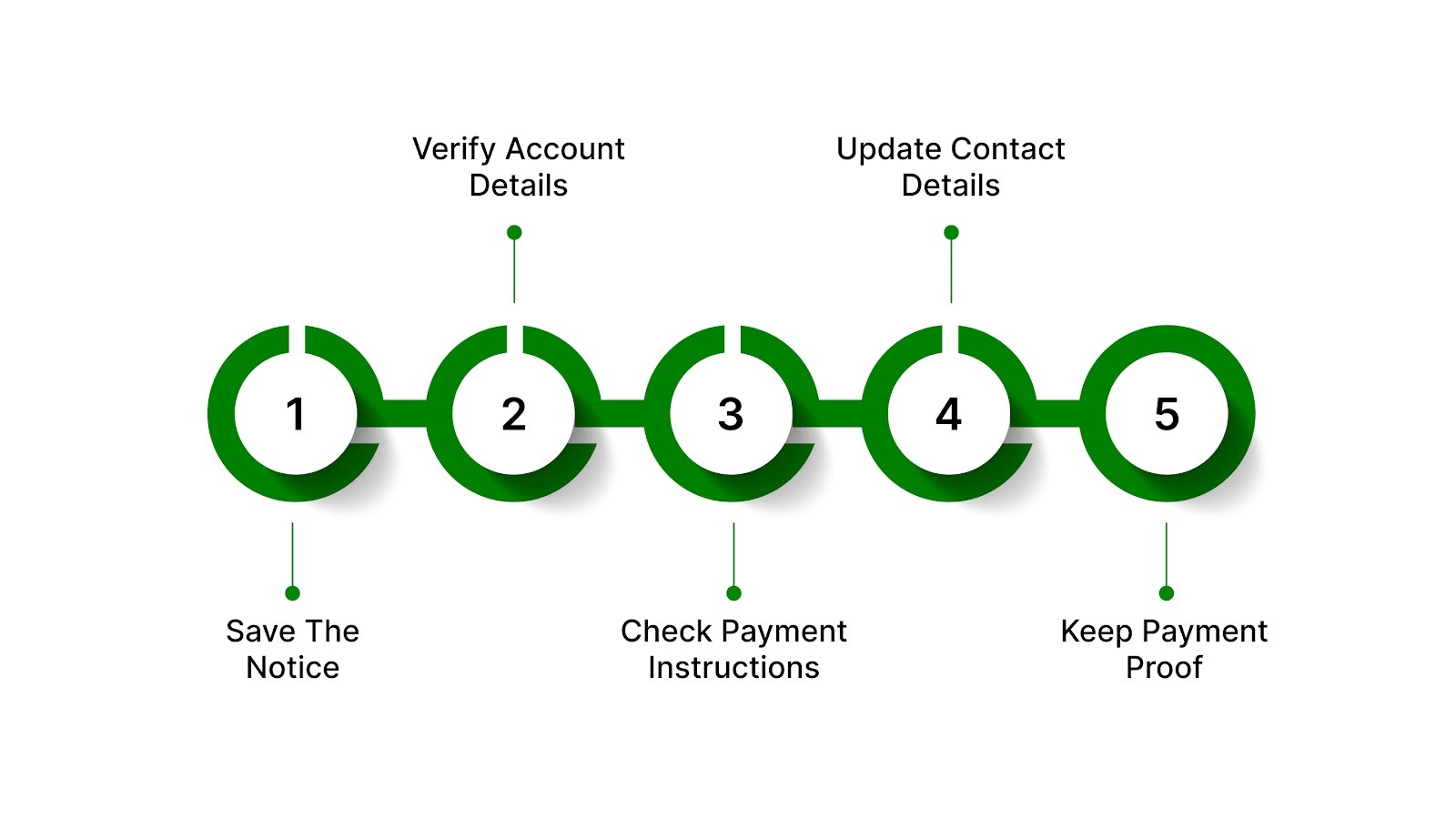
When a transfer notice arrives, you can reduce stress by following a clear checklist. These steps help you confirm details, protect your payments, and avoid missed deadlines.
Your first 24-hour checklist
1) Save the notice
Keep the letter, email, or statement in a folder you can access easily. Saving a digital copy or screenshot works well for electronic notices.
2) Confirm the company name and your account number
Match the account number on the notice to your existing records. If anything looks off, pause and ask for clarification.
3) Confirm payment instructions
Look for the exact method, link, or address where payments should go. If the notice includes multiple options, choose the one that gives the clearest confirmation.
4) Update your saved contacts
Save the phone number, mailing address, and portal link. This makes future questions easier.
5) Keep proof of every payment
Save receipts, confirmation numbers, and the date and amount. One record folder reduces anxiety fast.
What a clear transfer notice usually includes
- The effective date of the transfer
- New payment instructions
- Updated customer support contact details
- Information on how statements and confirmations work.
You create confidence when you verify early. A few minutes of checking protects your money and keeps your account moving forward smoothly.
Also Read: Meaning, Process, and Types of Portfolio Management
How to Confirm You Are Paying The Right Company
After a transfer, the biggest risk is simple. You sent a payment to the wrong place. You can prevent that with a quick verification routine that takes only a few minutes.
Three safe ways to verify payment instructions
1) Use the details from your official notice
Start with the payment link, address, and phone number listed on the transfer notice. Official written communication is your safest reference point.
2) Cross-check with your prior records
Compare the new notice to your last statement from the prior company. Look for matching account numbers and transfer dates. If the notice says payments should change on a specific date, use that date as your guide.
3) Request confirmation in writing when payment instructions or account details are unclear
If payment instructions look different from what you expected, ask for written confirmation. Written proof gives you clarity and reduces future confusion.

What to save every time you pay
A small recordkeeping habit supports peace of mind. Save:
- Payment date and amount
- Payment method used
- Confirmation number or receipt screenshot
- Any email or portal confirmation page.
A simple approach works well. Keep one folder called “Loan Payments” and file everything there.
A quick safety check before you send money
Use these three questions:
- Does the account number match your records?
- Does the payment link or address match the notice?
- Do you receive a confirmation after payment?
When all three are yes, you can pay with confidence.
Also Read: Portfolio Expansion Strategies Through Acquisition
Your Rights and Protections During Debt Collection Communications
When your account is managed for repayment, you have rights. Those rights protect your privacy, reduce confusion, and support fair communication. Knowing what lawful engagement looks like under U.S. consumer protection laws can lower stress and help you respond with clarity.
What respectful, compliant communication looks like
You can expect communication that aims for clarity. You should receive information that helps you understand:
- Who is contacting you
- What account are they communicating about
- What you owe and how to pay
- How to ask questions or request clarification.
Clear communication supports better decisions and reduces uncertainty.
Your right to request validation and raise concerns
When something looks inaccurate, you can ask for more detail. That might include confirmation of the balance or information that helps you understand the account. You can also raise disputes if you believe information is incorrect.
A practical way to stay organized is to:
- Keep the notice that lists key account details
- Save screenshots of your balance and payment history
- Write down dates and names from calls.
What to do when something does not look right
If a balance, due date, or payment record feels off, take calm steps:
- Pause before paying until you confirm details
- Ask for clarification in simple terms
- Request written confirmation of updated information
- Keep your records in one place.
Your rights exist to protect you. When you use them through clear questions and recordkeeping, you create stability and reduce pressure during a stressful time.
Also Read: Steps to Economically Profitable Portfolio Acquisitions
Common Payment Problems After a Transfer, and How to Prevent Them
Transfers can create small gaps that lead to missed payments or confusion. You can prevent most issues with a few steady habits.
Common problems people run into
- Paying the prior company after the switch date: A saved link or old bill-pay setup can send money to the wrong place.
- Using an outdated payment link or mailing address: A transfer notice may include new instructions that replace prior ones.
- Missing a notice because contact details are outdated: An old address or email can delay important updates.
- Assuming a payment has posted when it is still processing: A transfer can slow posting time for a short period.
Simple steps that prevent mistakes
Use this quick checklist.
- Update your address, email, and phone number when asked
- Confirm the effective date, then switch payment methods on time
- Use a secure payment option that provides receipts and confirmation numbers
- Check that your payment posted, then save the confirmation
- Keep one record folder for notices and receipts.
Small routines create big relief. When your payment process is clean, you avoid repeated stress and protect your progress.
Also Read: Strategies for Effective Loan Portfolio Growth
When Payments Feel Hard, Options That Help You Move Forward
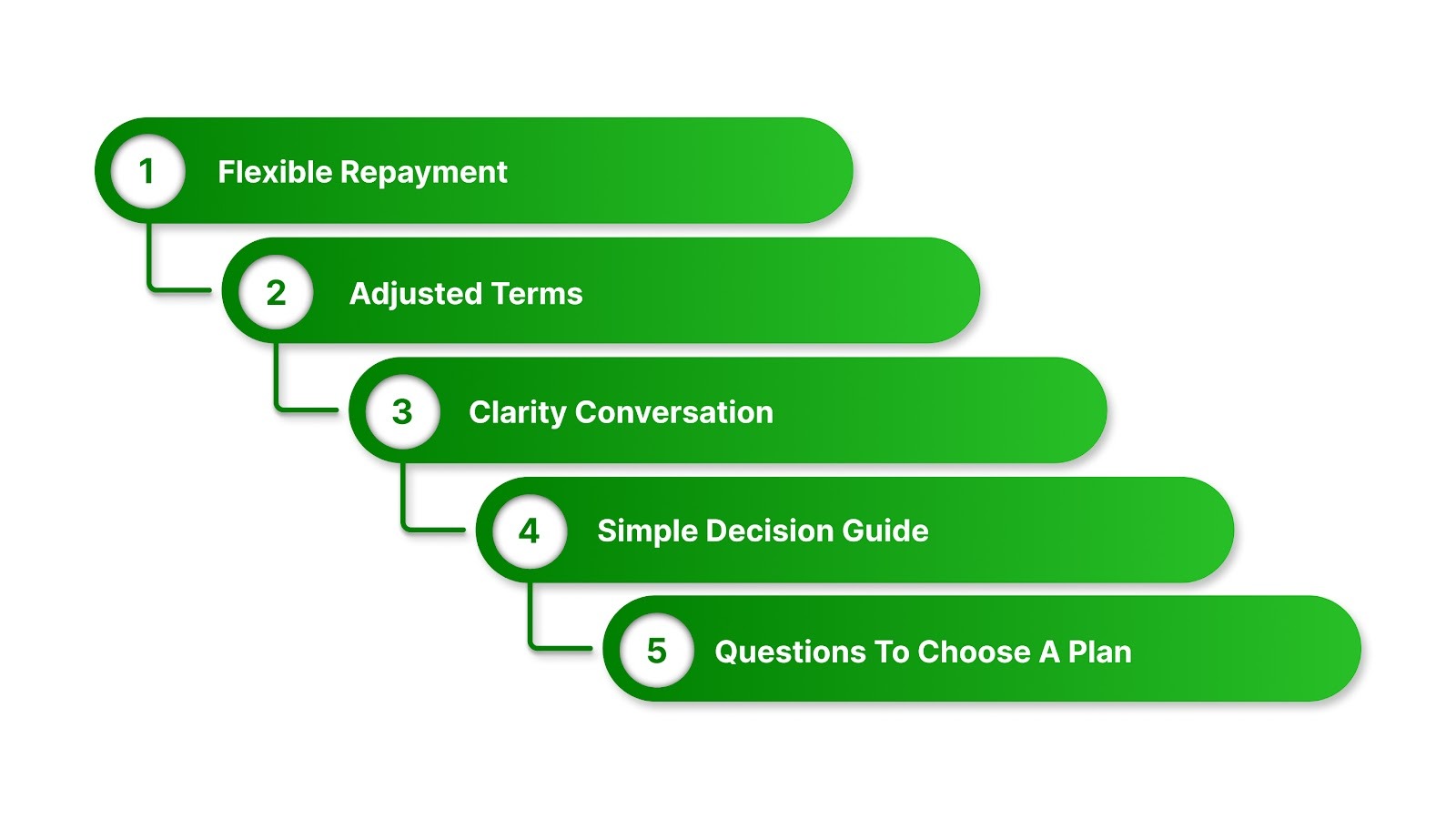
Falling behind can feel heavy. You can still take practical steps that support stability. The goal is not perfection, but a plan you can follow consistently.
Flexible repayment options
A structured plan can reduce pressure and help you build consistency. Flexible options may include:
- Payments aligned to your payday schedule
- A payment amount that fits your current budget
- A plan designed for steady progress over time.
A sustainable plan supports long-term improvement because it feels realistic.
Adjusted terms when your situation changed
If your income changed for the long term, updated terms may help you maintain consistency. A longer timeline or revised payment structure can make repayment feel manageable again.
A resolution conversation when you need clarity
Sometimes you need a clear view of what is possible. A structured conversation can help you understand your account status and choose a realistic next step.
A simple decision guide
You can use this guide to choose a direction.
- If your hardship is temporary, a short-term adjustment may help you stabilize
- If your income changed long-term, a structured plan with steady payments may fit better
- If stress feels constant, support and a clear plan can reduce pressure fast.
Questions that help you choose a plan
Ask questions that give you clarity.
- What monthly amount supports steady payments without skipping essentials?
- How are payments applied and confirmed?
- What happens if you pay early?
- What happens if you miss one payment?
- How do you receive written confirmation?
A clear plan can reduce anxiety and help you move forward with more control.
How The Forest Hill Management Supports You Through a Loan Transfer?
A transfer can feel uncertain, and you deserve a process that is clear, lawful, and easy to manage. The Forest Hill Management supports individuals navigating unpaid accounts and collection-related stress through clear, compliant account management and consumer-first guidance.
Here is how you can receive support.
- Portfolio management clarity: Clear tracking of your obligation and payment status, so you know where you stand and what comes next.
- Compliance and privacy focus: Secure handling of personal information and compliant processes that protect your rights and peace of mind.
- Secure online payments: A user-friendly payment platform that makes payments safer, simpler, and easier to track.
- Flexible repayment options: Structured plans based on your circumstances, designed to reduce pressure and support steady progress.
- Supportive guidance: Clear explanations and practical next steps that help you move forward without intimidation.
When you have clarity and a realistic plan, progress feels possible. With the right support, a transfer becomes a manageable transition instead of an ongoing stress point.
Conclusion
A loan transfer can feel disruptive, and you can handle it with clear steps. Save the notice, confirm where payments go, and keep receipts in one place. If payments feel hard, prepare your numbers and ask for a plan you can follow consistently.
Support can make this process feel calmer and more manageable. When you have secure payment options and flexible repayment paths, you can focus on progress instead of pressure.
If you want help understanding where you stand and what comes next, you can contact us for clear, practical guidance.
You will receive clear guidance, secure online payment options, and structured repayment support designed to help you move forward with confidence.
FAQs
1) What does loan portfolio acquisition mean for you?
It usually means your account is now managed by a new company as part of a larger transfer. You may see new payment instructions and new support contact details.
2) How do you confirm where to pay after a transfer?
Use the official transfer notice to verify the company name, account number, and payment method. Save the link or address, and keep your payment confirmation each time.
3) What should you keep for your records?
Save transfer notices, payment receipts, confirmation numbers, and dates. One folder for notices and payments makes the process feel simpler and more secure.
4) What can you do if the balance looks inaccurate?
Pause and ask for clarification in simple terms. Request written confirmation of the balance and any changes, then keep all communications in your records.
5) How can a repayment plan help you stabilize?
A structured plan aligns payments with your budget and reduces pressure. Consistent payments help you feel more in control and support steadier progress over time.