-p-500%20(1).png)
Heard from The Forest Hill Management Company? Here’s What It Means

Need Help Reviewing Your Account?
Contact UsIt’s not uncommon to be contacted about a financial account by a company you don’t immediately recognize. Today, many banks and lenders work with specialized firms to manage accounts, verify information, or handle follow-ups on their behalf. That’s why names different from your original provider may appear in letters, calls, or credit reports.
Receiving a call or letter from The Forest Hill Management Company is a fairly common experience for many consumers. As a well-established organisation that works with a range of financial institutions, they regularly contact individuals about accounts that have been transferred, assigned, or require verification. If they’ve reached out to you, it usually means there’s an update or action related to an existing or past financial account.
Below, we explain who we are, how we work, why you may be hearing from us, and the best way to approach the conversation so you can make informed decisions about your account.
All You Need to Know About The Forest Hill Management
The Forest Hill Management Company is an organization that partners with financial institutions to manage and support accounts that have become past due and have been transferred from the original creditor.
We help you understand what you owe, review possible repayment options, and take steps toward resolving the balance.
Why You May Be Hearing From The Forest Hill Management Company
In some situations, the company that originally issued an account is not the same company that later manages it.
When that shift happens, The Forest Hill Management Company may take over communication and payment arrangements. The underlying account does not change; only the organization responsible for servicing it does.
Transfers can occur for routine business reasons, such as internal restructuring, servicing agreements between companies, or changes in how certain account stages are handled.
In many cases, creditors work with specialized servicing companies once an account becomes past due. When an account is transferred, certain information typically moves with it so the new company can manage it appropriately. This may include the account balance, payment history, original creditor details, and contact information already associated with the account, such as mailing address or phone number.
If the name feels unfamiliar, it’s simply because The Forest Hill Management Company became involved after the account was reassigned, not when it was first opened.
Understanding that servicing shift helps clarify why their communication relates to an existing account rather than something new.
What Our Communication Usually Includes
Our correspondence includes details that identify both the company and the account involved. Contact is made using the information available on file and in line with standard communication practices.
Here’s what you’ll typically see in official communication:
- A mailed letter that includes the company name, account reference numbers, current balance details, and contact information if you’d like to follow up or request verification
- A phone call where the representative identifies themselves, explains the reason for the call, and references specific account information
- An email or secure online message providing account details and instructions for requesting documentation
- Follow-up communication that records when contact occurred and what information was shared
These details allow you to compare what you receive with your own records and confirm that it matches an account you recognize. Once you’ve looked over the information, you can move forward in whatever way feels right for you. And if you’d rather talk it through, we’re here to help.
Your Payment and Account Options
We understand that financial situations can vary, and options are reviewed with your specific account and circumstances in mind. The Forest Hill presents available pathways, but the specific terms and availability depend on individual situations and creditor guidelines.
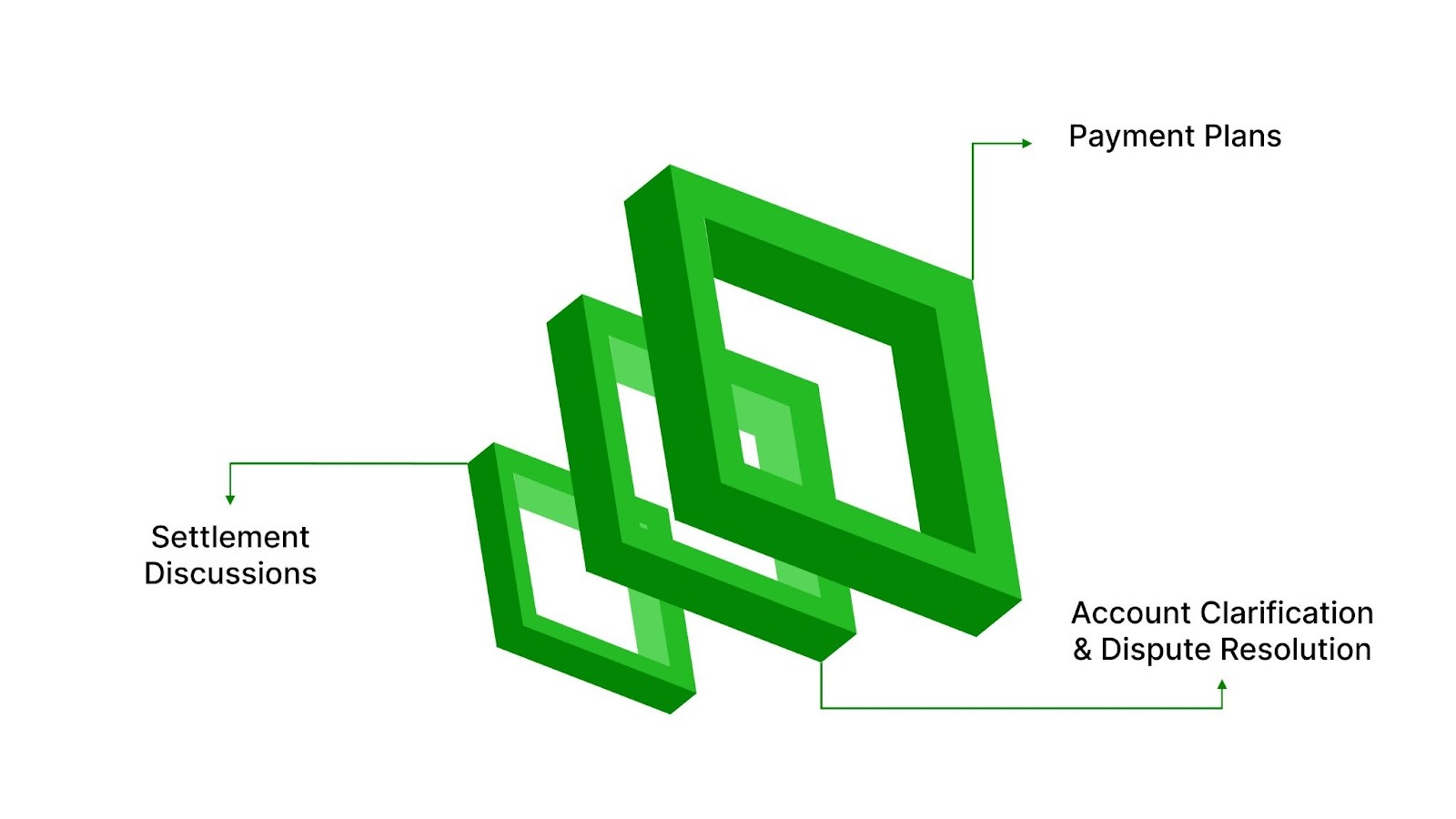
Common resolution approaches include:
Payment Plans
In some cases, the balance can be divided into scheduled payments over time instead of being handled all at once. The structure of a plan depends on the details of the account and your financial circumstances.
Settlement Discussions
Settlement discussions may be available in certain circumstances, involving negotiation of payment terms or reduced balances within parameters set by the creditor. Not all accounts qualify for settlement, and availability depends on creditor policies and account-specific factors.
Account Clarification and Dispute Resolution
If any part of the account information feels unclear, including the balance or transfer details, those questions can be addressed, and the documentation can be reviewed and explained so you have a clear understanding before discussing next steps.
The Forest Hill provides information about available options, but the decision about which approach to pursue, or whether to engage at all, remains yours. Financial constraints are real, and resolution discussions account for what you can realistically manage.
Understanding potential pathways helps frame what typically occurs once an account holder engages with the company.
What Happens After Initial Contact
- If you’d like more information, documentation can be provided so you can review the balance, transfer details, and creditor information at your own pace.
- If you decide to talk through repayment options, available arrangements can be discussed based on your account and current circumstances.
- If you need time or choose not to respond right away, follow-up communication may continue within the limits set by federal guidelines.
- And if something about the account doesn’t seem accurate, those concerns can be reviewed and addressed through a formal dispute process.
Throughout it all, account details remain accessible, and any updates or changes are communicated or made without notice.
How Account Servicing Is Structured
The Forest Hill Management Company operates within established consumer protection standards. Account communication and servicing follow structured guidelines designed to promote clarity and consistency.
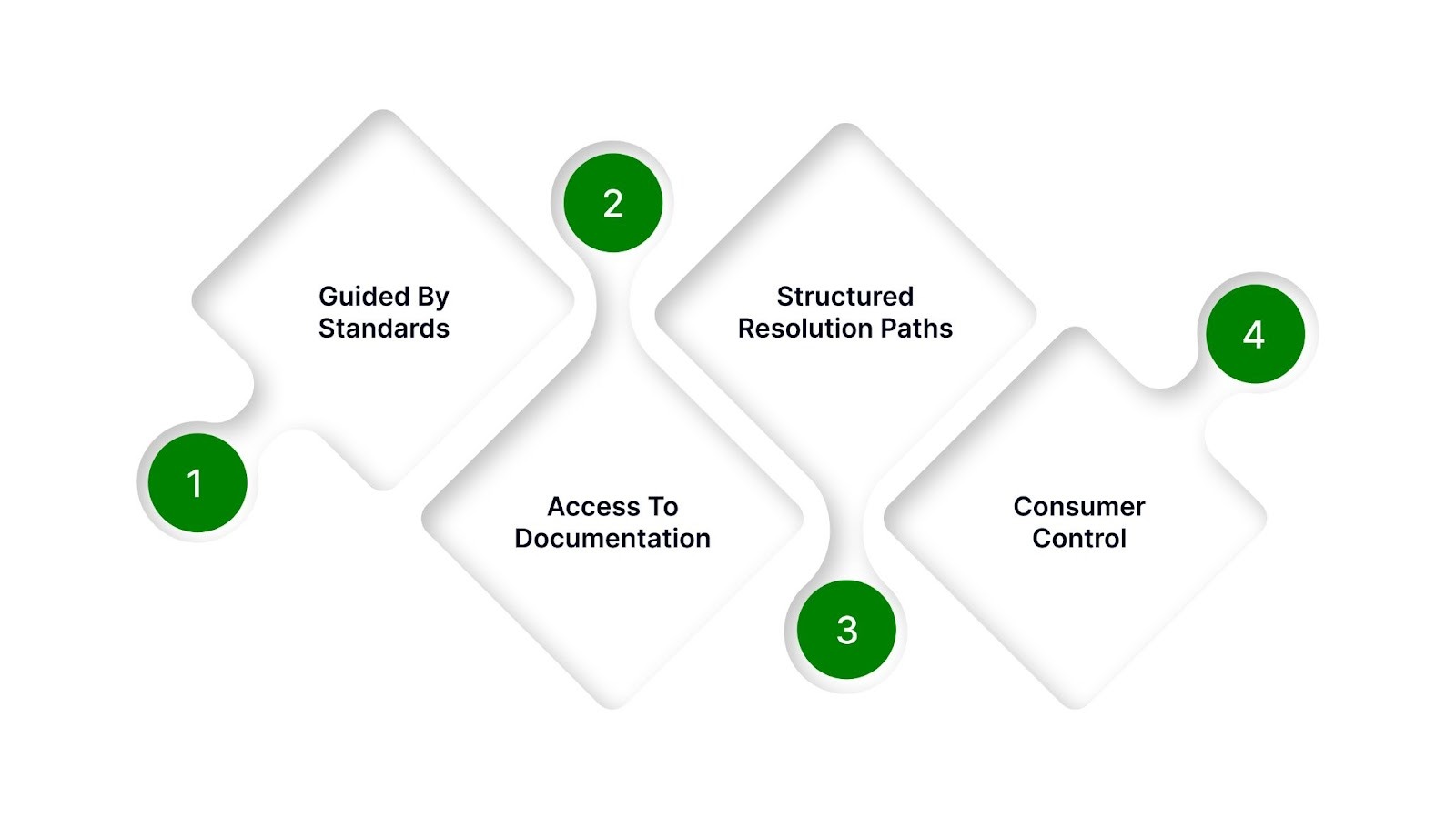
Here’s what you can expect throughout the process:
- Guided by Established Standards: Communication is conducted in line with federal consumer protection laws, which set limits on contact practices and require disclosures.
- Access to documentation: Account holders may request verification materials and relevant account history to review the details associated with their balance.
- Structured resolution paths: Resolution options are reviewed with your specific account and circumstances in mind.
- Consumer control: The next step is yours to decide. You may review the information, ask for additional details, or consider available options at your own pace
A Clearer Financial Path with The Forest Hill Management Company
When an account changes servicing companies, it can raise questions. In most cases, it simply reflects a routine transfer in how the account is managed. If you’ve heard from us, our outreach relates to an account that was established before we began servicing it.
Reviewing the information we provide can help you better understand the account and what options may be available. If anything feels unclear, we’re here to help you talk it through.
FAQs
1. Does The Forest Hill Management report account activity to credit bureaus?
Credit reporting depends on the creditor that owns the account and the account’s status. The Forest Hill does not independently decide whether reporting occurs. If reporting applies, it follows the creditor’s policies and applicable consumer reporting standards.
2. Can I authorize someone else to communicate on my behalf?
Yes. You may authorize an attorney, financial counselor, or other representative to communicate regarding your account. Written authorization is required. Once received, communication can be directed through your designated representative according to your instructions.
3. What if the account holder is deceased or legally incapacitated?
When an account holder is deceased or legally incapacitated, communication is directed to an executor, administrator, or court-appointed representative. Documentation confirming legal authority is typically required before account details are discussed or updated.
4. What if my contact information has changed?
You may update your address, phone number, or email to ensure accurate delivery of future correspondence. Keeping contact information current helps prevent delays or missed account-related communication.