-p-500%20(1).png)
How a Portfolio Management Service Helps You Stay on Track
Need Help Reviewing Your Account?
Contact UsFalling behind on payments usually isn’t about not caring. It happens when due dates, balances, and letters start stacking up, and it’s hard to tell what needs attention first. With the average credit card balance near $6,730, even organized people can lose track when accounts are spread across different places.
That kind of disorganization creates stress and keeps you reacting to the latest notice instead of feeling confident about where you stand. In consumer finance, “portfolio management service” means organizing your multiple outstanding loan and credit accounts into a single, manageable view, not the professional investment service the term often refers to in financial markets.
In this article, we’ll explore how that structure helps reduce confusion and gives you a more practical path forward.
Key Takeaways
- Portfolio management centralizes your debts into one view, simplifying balance tracking, due dates, and payment status to prevent missed payments.
- It offers a single communication channel, accurate details, and flexible payment options, reducing errors and helping you stay organized.
- Ideal for those with multiple accounts, missed payments, or overwhelmed by creditor communication.
- The service provides structure, clarity, and control over your financial situation.
- Services like Forest Hill Management offer transparency, secure access, and protect your rights while managing your accounts.
What Portfolio Management Means for Your Outstanding Accounts
When multiple debts exist in different places, you're essentially running parallel systems in your head. One creditor wants payment on the 5th, another on the 22nd. One sends emails; the other leaves voicemails. You might remember three accounts clearly but forget the fourth until a notice arrives.
Consumer portfolio management consolidates your outstanding debt accounts into one view so you can manage due dates, balances, and payment status without juggling multiple creditor contacts. Instead of tracking obligations across different websites, phone numbers, and paperwork, everything lands in one place. You know what's owed, who it's owed to, and when action is needed.
It's about making it manageable enough that you can actually address it. Once you understand the concept, seeing how it works in practice makes it easier to determine whether it fits your situation.
How Debt Account Portfolio Management Works in Practice
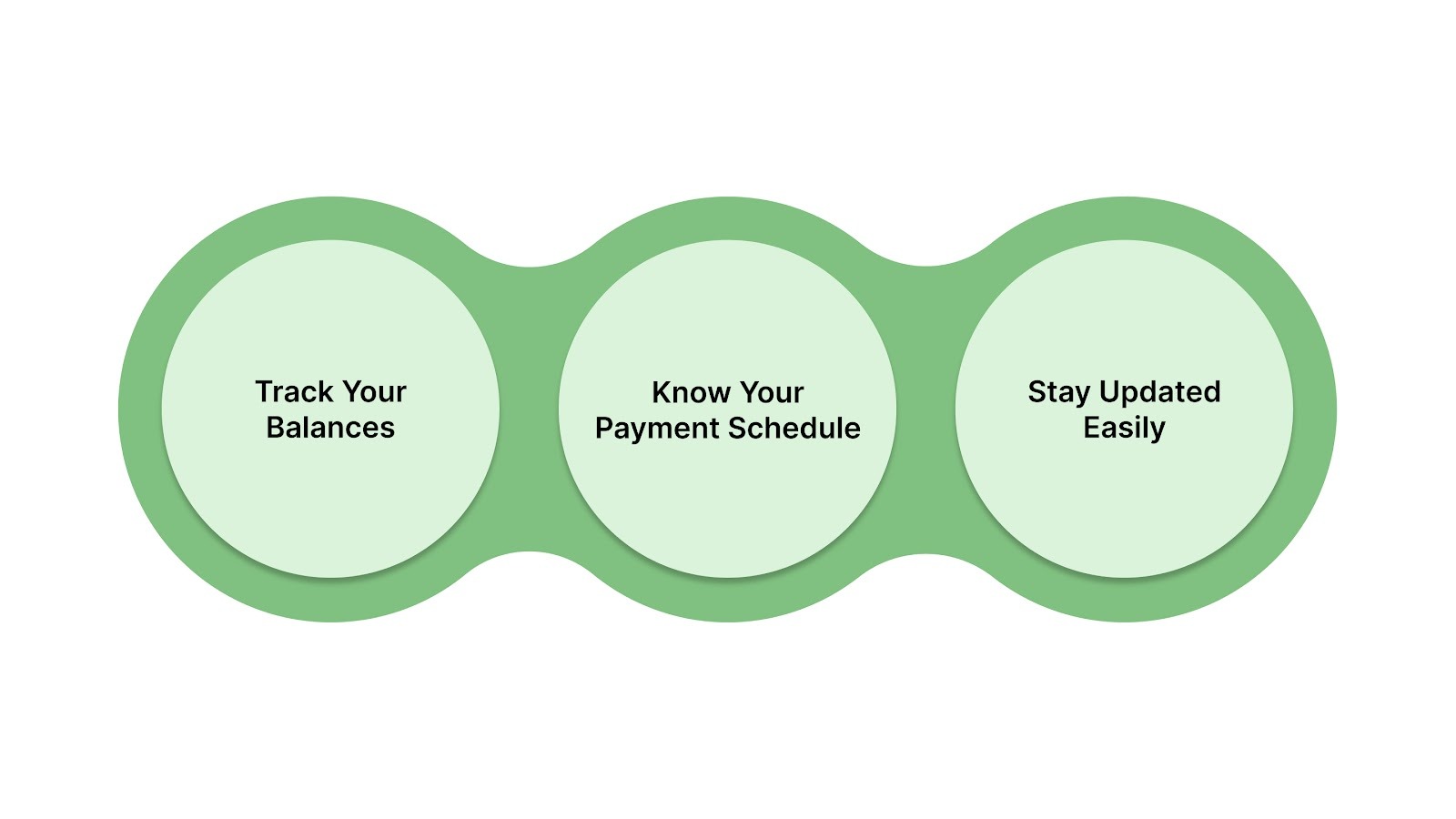
The goal is to replace chaos with a system that requires less effort from you while giving you more control. Here's what that actually looks like:
1. Tracking All Your Outstanding Balances
Through a consumer portfolio management service, you log in and see every debt account tied to your name in a central dashboard. Not summaries or estimates; actual balances, creditor names, and account numbers. If a payment was made last week, it shows. If something's overdue, that's visible too.
This prevents the kind of mistakes that happen when you're working off memory or partial records. You're not wondering whether you've already paid something or whether a creditor applied your payment correctly. The information is right there, updated and accurate.
2. Understanding Your Payment Schedule
With a debt portfolio management service, due dates stop being a surprise, and you can clearly see when each payment is due. You know exactly when payments are expected and what happens if you can't meet them on time. If flexibility exists, like the ability to adjust a date or break a payment into smaller amounts, you'll know what's available before you need it.
That removes the panic of scrambling at the last minute. You can plan around what's actually required instead of reacting to what feels urgent.
3. Staying Updated Without the Overwhelm
Instead of fielding calls from multiple sources or sorting through notices that all sound the same, communication flows through a single channel. You're not left wondering if you missed something important or if the person calling today knows what you discussed with someone else last week.
You also get access to your account status whenever you need it. No waiting on hold, no explaining your situation to a new person every time. Just log in, check where things stand, and move forward.
Note: The exact tools available, such as payment flexibility, balance updates, or communication options, may vary depending on the provider and the creditors associated with your accounts.
Also Read: Portfolio Management Steps and First Step Explained
Knowing how it works is useful, but comparing it to what happens without that structure makes the difference clearer.
The Difference Between Managing Debt Alone vs. With Portfolio Support
Handling obligations on your own often means relying on whatever system you've cobbled together: sticky notes, phone reminders, a mental list you hope you're remembering correctly. That works until it doesn't.
Here's where the contrast becomes obvious:
The risk isn't just inconvenience. When accounts aren't centralized, it's easy to miss something critical. Those errors compound quickly, and fixing them takes more time and energy than preventing them would have.
Also Read: Best Stock Portfolio Tracker and Management Softwares
Not everyone needs this kind of organization, but certain situations make it particularly valuable.
Who Benefits Most from Portfolio Management Services
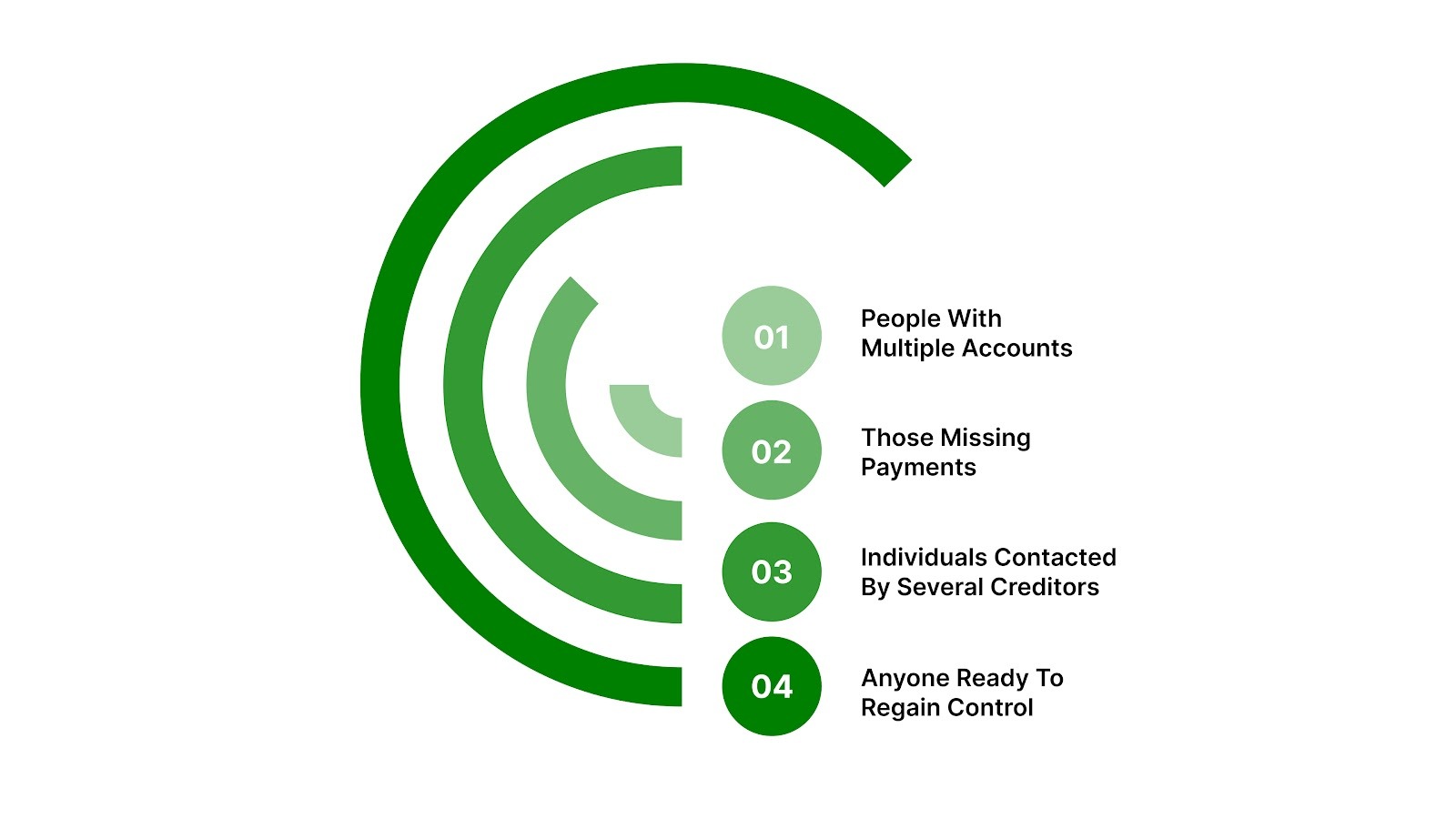
This type of support works best when the challenge isn’t just money — it’s the number of accounts, payment deadlines, and communications you have to track. If you're dealing with one account and one creditor, you probably don't need outside help to stay on top of it. But when things multiply, the benefits start to show up fast.
Here's who typically gains the most:
- People juggling two or more outstanding accounts: Each creditor operates independently, which means separate due dates, different contact methods, and no single place to see the full picture.
- Anyone who's missed payments because they lost track: It's easy to assume missed payments mean financial inability, but often it's just disorganization or forgetting which account needed attention first.
- Individuals hearing from multiple creditors or collection agencies: When calls and letters come from different sources, it's hard to know who to prioritize or whether you're being contacted about the same debt twice.
- Someone ready to take control but unsure how to start: You know you need to do something, but the idea of contacting each creditor separately, negotiating individually, and keeping it all straight feels overwhelming before you even begin.
Also Read: Steps to Improve Your Financial Freedom Resources
If any of that sounds familiar, structured account management removes the friction that's been keeping you stuck. There are also specific moments when this kind of support makes the biggest impact.
When a Consumer Portfolio Management Service Makes the Biggest Difference
When accounts start piling up, it’s easy to feel scattered, unsure, and overwhelmed by what needs attention first. That confusion alone can make progress feel harder than it needs to be.
Forest Hill Management helps bring structure to situations that often feel chaotic. Instead of juggling different notices, balances, and due dates, you’re given a clearer picture of where things stand and what comes next.
This matters because disorganization can lead to missed payments, unnecessary stress, or uncertainty about what’s already been resolved. Here’s how Forest Hill’s approach helps you regain clarity:
- One clear view of your accounts: See outstanding balances and account details in one place, without guesswork.
- Straightforward payment options: Understand what repayment choices are available based on your situation.
- Secure online access: Check your status or make payments anytime, without waiting on calls or letters.
- Built-in consumer protections: Your rights under U.S. debt and collection laws are respected at every step of managing your account.
If you’re tired of feeling pulled in different directions, this is where structure can start to bring relief.
Conclusion
Understanding how account management works is one thing. Deciding when to act is another, and that moment looks different for everyone.
If you’re not ready today, that’s okay. But when you’re ready to take a step, that moment is yours to choose. Whether you’re reviewing a balance, making a payment, or asking a question, Forest Hill Management is here to support you, without pressure or judgment.
Take the first step toward financial clarity. Make a secure online payment or contact our advisors for personalized support with your debt accounts.
FAQs
1. How do I ensure a payment goes to the correct credit card?
Enter the exact account number and double-check the confirmation. Review your statement or online account after posting to confirm the payment went to the correct account. Contact the issuer immediately if there’s a discrepancy.
2. How does the service differentiate between accounts in collections and active accounts?
Collections accounts are shown separately with the original creditor, collection agency, balance, and next steps. This helps you focus on urgent accounts without confusing them with active ones.
3. How can I manage payments for joint accounts with co-signers?
All co-signers share responsibility. While the system tracks the account balance and payments, it may not show who paid. Regularly review statements and communicate to prevent disputes.
4. How can I track temporary arrangements like deferred interest or hardship programs?
Keep track of start/end dates, monthly payments, and terms. Most portals show these arrangements; personal reminders help prevent accidental reversion to standard terms. Confirm details in writing with your account manager.