-p-500%20(1).png)
What Is Portfolio Recovery? What It Means for Your Credit and Your Next Steps

Need Help Reviewing Your Account?
Contact UsSeeing Portfolio Recovery listed on your credit report can feel like a setback when you’re already working to stabilize your finances. An unfamiliar collection account often appears without warning, leaving you unsure how it got there or what it means for your credit.
When your score is already strained, that uncertainty can carry real weight. You may worry about whether this debt is valid, how long it will affect your credit, or whether ignoring it could make things worse. Those concerns are common, and they deserve clear, practical answers, not pressure or confusion.
This article explains what portfolio recovery means, why these accounts surface, and what steps you can take to address them without damaging your progress. With a clear understanding of how portfolio recovery works, you can move forward with more confidence and control.
Let’s start by breaking down what “portfolio recovery” actually means for you.
Key Takeaways
- Portfolio recovery usually means that an old, unpaid account was transferred after being charged off.
- The entry often appears later than expected due to credit reporting timelines.
- You have the right to verify details before agreeing to any payment.
- Flexible repayment options can help you resolve debt without straining your budget.
- Clear guidance and secure online payments make the process easier to manage.
What Portfolio Recovery Really Means For You
When you see portfolio recovery connected to your debt, it usually means your original creditor sold the account after it remained unpaid for a period of time. Instead of continuing collection efforts themselves, creditors often transfer these accounts to another party.
For you, this can feel sudden and unsettling, especially when you’re already working to manage credit challenges. While the ownership of the debt changes, your rights do not, and you still have options for how you respond.
Here’s what this situation typically means in practical terms:
- Your original lender no longer owns the account.
- The debt is now managed by a third party.
- You have the right to request written verification.
- Repayment discussions may be open to flexibility.
At this stage, the most important step is slowing down and getting clarity before committing to anything financially. Understanding who holds the debt, how much is owed, and what repayment paths exist helps you protect your budget and avoid added stress.
This is also where having access to clear guidance, secure payment tools, and flexible repayment support can make the process feel more manageable instead of overwhelming.
Why You’re Seeing Portfolio Recovery On Your Credit Report
A portfolio recovery entry usually appears after an account has been unpaid for several months and formally charged off. This timing often surprises people because the credit report update happens long after financial hardship began.
Once an account is charged off, credit bureaus update the record to reflect the new status, which is why a new collection entry can surface even if no recent activity occurred. This reporting delay is common and doesn’t mean the debt suddenly became worse overnight.
What’s important to understand at this stage:
- The entry reflects past payment history, not a new mistake
- The balance shown may include fees or interest added over time
- The account’s age still traces back to the original delinquency
- Accuracy matters more than speed right now
For someone rebuilding credit, seeing this entry can feel discouraging, even if the financial setback happened years ago. Still, credit reports are snapshots in time, and they can change with the right steps and consistent follow-through.
Before taking action, reviewing the dates, amounts, and reporting details helps you avoid unnecessary disputes or rushed decisions. Once you understand what the report is showing, you’re ready to focus on what steps to take first to regain control.
First Steps You Can Take With Confidence
Once you understand why portfolio recovery appears on your credit report, the next step is responding calmly instead of reacting out of fear or pressure. You don’t need to rush, but you do need a clear plan that protects your credit and your budget.
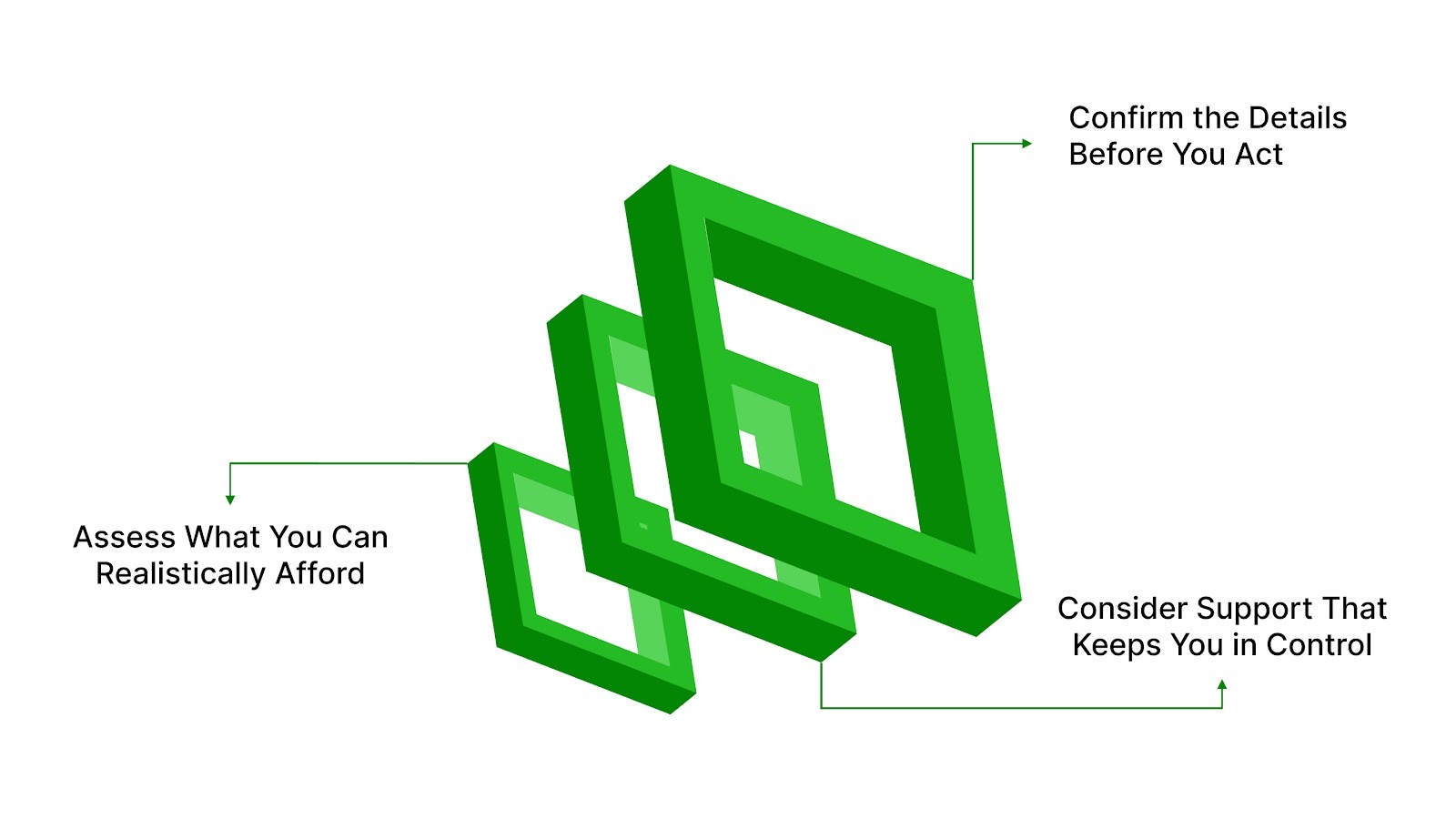
Start by grounding yourself in facts before making any financial commitments.
1. Confirm the Details Before You Act
Before agreeing to anything, take time to review what’s being reported and what’s being requested.
- Request written verification of the debt
- Confirm the balance, dates, and account ownership
- Compare the information against your credit report
This step helps you avoid paying an incorrect amount or engaging with inaccurate reporting, which can create more stress later.
2. Assess What You Can Realistically Afford
Next, look honestly at your current financial situation without judgment or pressure.
- Review your monthly income and essential expenses
- Identify what you can pay consistently, not just once
- Avoid promises that stretch your budget too thin
Choosing a payment approach that fits your reality matters more than moving quickly.
3. Consider Support That Keeps You in Control
Handling collection-related debt alone can feel isolating, especially when credit challenges already weigh on you. Access to clear guidance, flexible repayment options, and secure online payment tools can help you stay organized and confident throughout the process.
Support should make decisions easier, not more stressful.
With these first steps in place, it’s easier to explore your options for resolving portfolio recovery debt in a way that supports long-term credit repair.
Options To Resolve Portfolio Recovery Debt
Once you’ve confirmed the details and assessed your budget, you can focus on choosing a resolution path that supports stability instead of creating new pressure. There’s no single right answer here, only options that fit your financial reality.
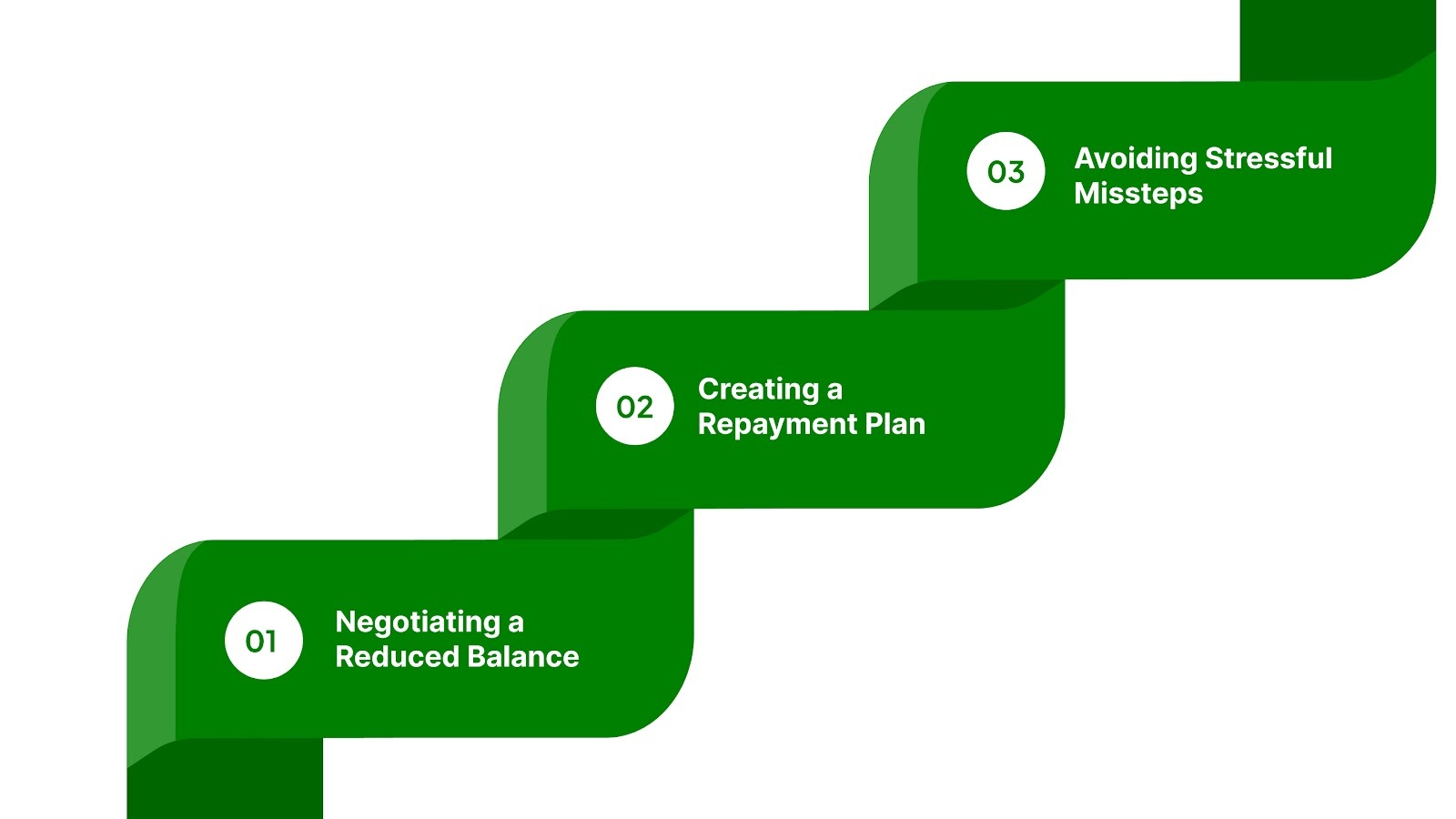
The key is selecting an approach you can maintain without risking missed payments or further credit damage.
1. Negotiating a Reduced Balance
In some situations, you may be able to resolve the debt for less than the full amount owed.
- Negotiation focuses on reaching an agreed-upon payoff
- Any agreement should always be confirmed in writing
- You should never commit to an amount you can’t sustain
This option can work when you have limited funds available and want closure without ongoing strain.
2. Setting Up a Structured Repayment Plan
If paying a lump sum isn’t realistic, a structured repayment plan may offer more breathing room.
- Payments are spread out over time
- Amounts are aligned with your monthly budget
- Consistency matters more than speed
A flexible repayment approach helps you stay on track while continuing to rebuild your credit responsibly.
3. Avoiding Common Missteps That Create More Stress
Small mistakes can make this process harder than it needs to be.
- Don’t ignore notices, hoping the issue disappears
- Don’t agree to payment terms without reviewing them carefully
- Don’t prioritize this debt at the expense of essentials
Having access to clear guidance and secure online payment tools can reduce confusion and help you follow through without added anxiety.
Once you understand your resolution options, the next concern many people have is how this debt affects their credit, and what they can do to improve it over time.
How This Affects Your Credit, and What You Can Do
A portfolio recovery account can impact your credit score, especially if it reflects a recent charge-off or ongoing collection activity. While that effect is real, it’s also temporary when you take steady, informed steps forward.
What matters most is how the account is handled from this point on, not the fact that it exists today.
1. Understanding the Credit Impact
Collection accounts influence your credit report in a few specific ways.
- The account reflects past missed payments
- New activity can affect your score if it’s reported
- Older debts carry less weight over time
While this can feel discouraging, credit scoring models are designed to respond to positive behavior, not punish you forever.
2. Steps That Support Credit Recovery
Improving your credit doesn’t require perfection—just consistency and planning.
- Keep current accounts paid on time
- Avoid opening new debt unnecessarily
- Address collection accounts with realistic payment plans
Resolving debt in a manageable way helps create a clearer credit picture over time.
Staying Organized Moving Forward
Managing repayment is easier when you can track progress and avoid missed payments.
- Use secure online payment tools to stay consistent
- Keep written records of any agreements
- Monitor your credit report for accuracy
Support that simplifies payments and provides steady guidance can make a meaningful difference as you rebuild.
With credit concerns addressed, the next step is knowing when it’s time to seek guidance instead of navigating these decisions alone.
When To Ask For Help
There’s a point where handling collection-related debt on your own can start to feel heavier than it needs to be. When questions pile up or decisions feel uncertain, getting guidance can help you move forward with more confidence.
You don’t need to wait until things feel unmanageable to ask for support.
Signs You Could Benefit From Guidance
Reaching out for help is often a practical step, not a last resort.
- You’re unsure which repayment option fits your budget.
- You’re worried about making a choice that hurts your credit.
- You feel pressure to act but don’t feel informed.
Support at this stage can prevent missteps that add stress or delay progress.
What Support Should Look Like
The right kind of help focuses on clarity, not urgency or judgment.
- Clear explanations without pressure.
- Repayment options that reflect your financial reality.
- Secure tools that make payments easier to manage.
Guidance should help you feel more in control, not more overwhelmed.
Moving Forward With Confidence
When you understand your options and have a plan that fits your situation, decisions become easier. With steady support and manageable steps, it’s possible to address portfolio recovery debt while continuing to rebuild your credit.
With the full picture in place, it’s time to bring everything together and decide how you want to move forward from here.
Conclusion
Seeing portfolio recovery tied to your credit can feel discouraging, but it doesn’t have to define what comes next.
You’ve now learned what portfolio recovery means, why it appears on your credit report, and the practical steps you can take to respond thoughtfully. You’ve also seen how flexible repayment approaches, steady guidance, and consistent follow-through can help protect both your budget and your credit.
The most important takeaway is this: you have options, and you don’t have to rush or navigate them alone. Taking calm, informed action today can prevent added stress tomorrow and support long-term financial stability.
When you’re ready to move forward, contact our advisors to create a custom plan or make a payment online today using secure tools designed to fit your financial reality.
Frequently Asked Questions
1. Does portfolio recovery mean I’m being sued?
No, seeing portfolio recovery on your credit report does not automatically mean legal action is happening. It usually reflects a collection account, not a lawsuit.
2. Can portfolio recovery stay on my credit report even if the debt is old?
Yes, collection accounts can appear years after missed payments because of reporting delays, but they must follow credit reporting time limits.
3. Should I pay the full balance right away to protect my credit?
Not necessarily. Paying without reviewing details or confirming affordability can create new financial strain without improving your situation.
4. Can I dispute a portfolio recovery account if it looks wrong?
Yes, you have the right to dispute inaccurate balances, dates, or ownership if the information on your credit report is incorrect.
5. Will resolving this debt help my credit in the long term?
Addressing collection debt responsibly can support credit recovery over time, especially when combined with consistent on-time payments elsewhere.