-p-500%20(1).png)
What to Do After a Portfolio Acquisition: 4 Key Steps to Take

Need Help Reviewing Your Account?
Contact UsUnpaid bills can already feel overwhelming. Then a notice arrives mentioning a portfolio acquisition, and suddenly you are left wondering what that means for your account, your payments, and your financial future.
If you are dealing with unpaid balances, collection notices, or concerns about wage garnishment options, the uncertainty alone can create real stress. Many people across the United States face similar situations, especially when financial obligations become difficult to keep up with.
Support focused on transparency and responsible account management can help bring clarity during moments like this.
In this guide, you will learn what a portfolio acquisition means, how it can affect unpaid accounts, what consumer protections exist, and practical steps that can help you move forward with confidence.
Key Takeaways
- Portfolio Acquisition Defined: A portfolio acquisition occurs when multiple unpaid accounts are transferred together to another organization for structured management.
- Communication May Change: After a portfolio acquisition, a new organization may handle account updates, payment discussions, and account records.
- Simple Steps Bring Clarity: Reviewing transfer notices, confirming account details, and keeping records can help you respond confidently to an account transfer.
- Consumer Protections Remain: Under the Fair Debt Collection Practices Act (FDCPA), companies must provide written validation of the debt and follow strict communication rules.
- Support and Payment Options Exist: Secure payment systems and flexible repayment arrangements can help you manage unpaid accounts and work toward financial stability.
What is a Portfolio Acquisition?
You might hear the term portfolio acquisition when an account moves from one company to another. In simple terms, it refers to a group of unpaid accounts being transferred together rather than individually.
This approach allows accounts to be managed in an organized way while still requiring companies to follow U.S. consumer protection rules and clear communication standards.
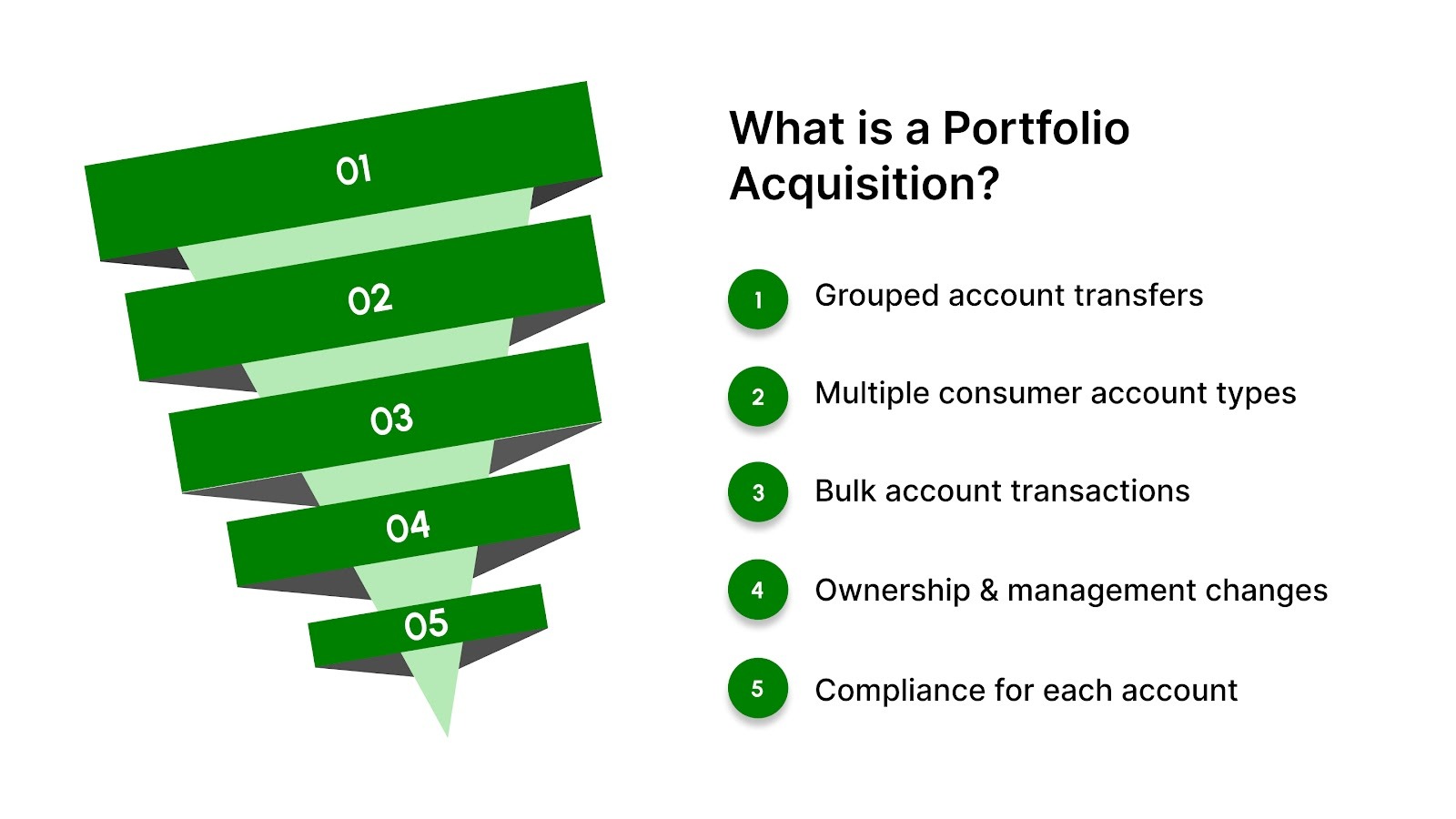
Situations connected to portfolio acquisitions can feel confusing when you first receive a notice. Clear information helps you understand what is happening and what steps may follow.
A few simple points can help you understand how portfolio acquisitions work and why an account may be transferred.
- Grouped Account Transfers: A portfolio acquisition involves many unpaid accounts being transferred together as one group rather than handled individually.
- Different Types of Consumer Accounts: Portfolios can include accounts linked to credit cards, auto loans, medical bills, student loans, or other consumer obligations.
- Single Transaction for Multiple Accounts: Companies often transfer entire groups of accounts at once rather than moving one account at a time.
- Ownership and Management Changes: After a portfolio acquisition, the organization managing the account may change, which can lead to new communication or payment instructions.
- Rules Apply to Every Account: Even when accounts are transferred in groups, each individual account must still follow U.S. consumer protection requirements.
Grouped account transfers explain why account communication or payment instructions may come from a different organization after a change in account management.
Why Your Account Might Be Transferred to Another Company
Sometimes an account is moved from one organization to another as part of a portfolio acquisition. When this happens, it usually means the responsibility for managing account communication and payment arrangements has shifted to a different company.
Several common situations explain why an account transfer may occur.
- Changes in Account Management: Organizations sometimes transfer groups of accounts to another company that specializes in managing account records, communication, and repayment coordination.
- Operational Transitions: Companies occasionally reorganize how accounts are handled internally, which can lead to groups of accounts being reassigned to a different organization.
- Business Restructuring: When companies merge, restructure operations, or adjust how accounts are managed, accounts may be transferred to ensure they continue to be handled properly.
- Portfolio Transfers: Instead of moving accounts one by one, companies may transfer many accounts together through a structured portfolio acquisition process.
- Administrative Coordination: Transfers can also occur to help organize records, verify account documentation, and maintain consistent management across a group of accounts.
Account transfers can feel unexpected, but they typically reflect changes in how accounts are managed rather than changes to the underlying obligation itself.
The 4 Key Steps to Successfully Navigate a Portfolio Acquisition
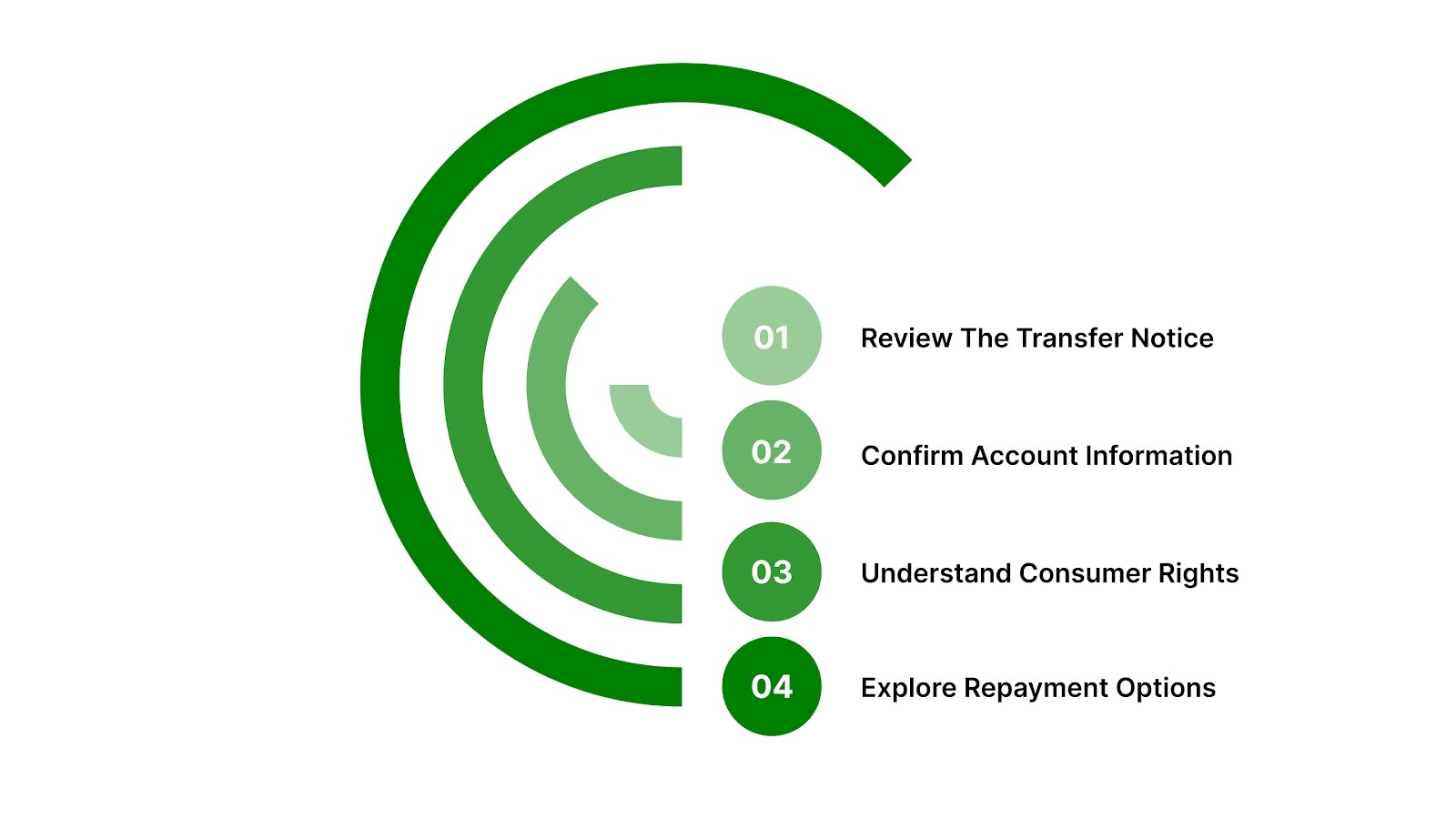
When an account transfer occurs, clear actions help you stay organized, verify information, and respond confidently to new communication.
Step 1: Review the Transfer Notice Carefully
The first step after an account transfer is reviewing the notice you received. Clear information helps you understand why the account moved and what changes are next.
Helpful actions to take:
- Check Sender Details: Confirm the company name, contact information, and account reference numbers listed in the notice to make sure the message relates to your account.
- Review Balance Information: Look closely at the balance listed in the communication to understand what amount is being reported and whether it matches previous statements.
- Note Important Dates: Pay attention to payment deadlines or contact dates mentioned in the notice so you know when communication or action may be expected.
Tips: Take a moment to read the notice calmly and keep a copy for your records so you can reference the information if questions arise later.
Step 2: Confirm Your Account Information
Verifying account details helps you confirm the transfer is legitimate and prevents confusion. Small errors in names or numbers can create unnecessary stress.
Helpful actions to take:
- Match Account Numbers: Compare the account number in the notice with older statements or records to confirm it refers to the same financial obligation.
- Confirm Personal Details: Check that your name, address, and other identifying details appear correctly in the communication.
- Use Trusted Contact Channels: Reach out using phone numbers listed on official websites or statements instead of relying only on information provided in unexpected emails or messages.
Tips: Verification helps protect you from scams and ensures you communicate with the correct organization managing your account.
Step 3: Understand Your Consumer Rights
Knowing your consumer protection rights can reduce anxiety. U.S. laws require fair treatment and clear communication when companies contact you regarding financial obligations.
Helpful actions to take:
- Know Your Rights Under the FDCPA: The Fair Debt Collection Practices Act protects you from harassment, misleading statements, and unfair communication when companies discuss account repayment.
- Request Written Account Details: Under federal law, you may request written validation of the account showing the balance, the original creditor, and the company currently managing it.
- Keep Records of Communication: Save letters, emails, and notices related to your account. Documentation helps you track conversations and quickly resolve questions if details ever seem unclear.
Tips: Understanding your rights gives you confidence to ask questions, request clarification, and make informed decisions about next steps.
Step 4: Explore Practical Repayment Options
Once details are confirmed, exploring manageable payment options can help reduce stress and move you closer to financial stability.
Helpful actions to take:
- Review Payment Flexibility: Ask about structured payment plans that allow you to address balances gradually based on your financial circumstances.
- Use Secure Payment Channels: Choose trusted online payment systems that provide clear records and help you track progress toward resolving the balance.
- Discuss Available Options: Speaking with a knowledgeable support representative can help you understand available paths forward and avoid unnecessary confusion.
Tips: Small, consistent steps toward repayment can reduce financial pressure and help you feel more in control of your situation.
Taking practical steps after an account transfer can help you stay organized and respond thoughtfully to any changes in communication or payment processes.
Explore how organizations approach account transfers and growth through Portfolio Expansion Strategies Through Acquisition.
How to Find the Right Help During a Portfolio Acquisition
Account transfers often involve careful review and coordination behind the scenes to ensure records, documentation, and financial information are handled properly.
- Specialist Advisory Firms: Advisory firms with acquisition expertise help evaluate opportunities, analyze market conditions, and guide organizations through the structure of portfolio transactions.
- Legal and Financial Advisors: Legal counsel, accountants, and tax advisors review documentation and financial records to identify risks and confirm accurate account information.
- Due Diligence Teams: Internal teams review account data and documentation to verify details and confirm that records are complete before a portfolio transfer occurs.
- Portfolio Management Oversight: Portfolio management teams help coordinate the transition of accounts while aligning operational planning with long-term organizational objectives.
- Industry Networks And Experts: Professional networks, brokers, and strategic consultants may contribute insight that supports planning, coordination, and responsible execution of acquisitions.
Professional oversight supports accurate account handling and careful coordination throughout the transfer process.
See how structured portfolio growth connects to account transfers in Portfolio Expansion Strategies Through Acquisition.
The Emotional Impact of Portfolio Acquisition: How to Manage Stress and Anxiety
When financial situations change unexpectedly, emotional pressure can follow. You may Unexpected financial changes can trigger emotional stress. Many people experience worry, uncertainty, or pressure when new account communication appears.
- Initial Shock or Confusion: You may initially feel overwhelmed or uncertain while trying to process new financial information or account changes.
- Heightened Stress And Worry: Anxiety may increase as you consider possible outcomes and responsibilities connected to the account.
- Emotional Processing Over Time: Feelings often move from uncertainty to gradual acceptance as you begin to understand your options.
- Healthy Stress Management Habits: Activities like exercise, meditation, hobbies, or time outdoors can help clear your mind during stressful periods.
- Mindful Perspective And Support: Staying present, maintaining a balanced outlook, and speaking with trusted support systems can help reduce emotional strain.
Emotional stress during financial challenges is a natural response. With patience and supportive habits, you can regain clarity and focus on practical steps toward financial stability.
Want to understand how financial portfolios are structured and managed? Explore the Ultimate Guide to Financial Portfolio - Definition, Types, and Steps to Create One.
Conclusion
Financial challenges can create moments where the path forward feels uncertain. When communication about an account changes or new information appears, taking time to review the details and understand the situation can help make the process feel more manageable.
As account questions are reviewed and next steps are considered, clear documentation and consistent communication become especially important. Forest Hill Management operates within the collections process by maintaining account records and communication related to outstanding balances, so individuals reviewing their accounts have access to organized information.
If you have questions while reviewing your account information, contact our advisors for personalized support.
FAQs
1. Why was my account included in a portfolio acquisition?
A portfolio acquisition occurs when a group of accounts is transferred from one organization to another for management. If your account was included, it usually means the company managing the account changed. The account balance and underlying obligation typically remain the same.
2. Can a company contact you after a portfolio acquisition?
Yes. When an account is transferred, the organization responsible for managing the account may contact you to introduce themselves and provide updated account information or payment instructions.
3. Do you still owe the balance after a portfolio acquisition?
In most cases, the balance associated with the account does not change after a portfolio acquisition. What usually changes is the organization responsible for managing communication and payment arrangements for that account.
4. How can you verify that a portfolio acquisition is legitimate?
You can verify the transfer by reviewing official notices, confirming account numbers with previous statements, and contacting the organization through verified phone numbers or official websites before sharing personal information.
5. What consumer protections apply after a portfolio acquisition?
U.S. laws such as the Fair Debt Collection Practices Act (FDCPA) require companies to communicate clearly, avoid harassment, and provide written information about the account when requested.