-p-500%20(1).png)
Charged-Off Debt: What a Charge-Off Really Means

Need Help Reviewing Your Account?
Contact UsSeeing “charged-off debt” on a letter or credit report can feel unsettling. You may wonder what it means, what happens next, and how to protect your finances. Clear information helps you make the next step feel lighter.
In this guide, you will learn what charged-off debt means in plain English, why it happens, and how it can affect your credit.
You will also get practical steps to confirm account details, organize your records, and choose a repayment path that fits your budget. The goal is simple: help you move from uncertainty to a plan you can follow with confidence.
Key Takeaways
- Clarity comes first. When you confirm who manages your account and where to pay, you reduce stress and avoid payment mistakes.
- Records protect your progress. Keeping notices and receipts in one place makes it easier to track payments and correct issues quickly.
- A realistic plan supports consistency. A payment plan that fits your budget is easier to maintain and helps you move forward steadily.
- Support makes the process easier. Secure payments, flexible options, and clear guidance help you stay focused on progress, not pressure.
What a Charge-Off Really Means
Charged-off debt means the original creditor marked your account as a loss for accounting purposes, typically after about 180 days of missed payments.
The account still exists, and the balance may still require resolution. Think of it as a status label on the creditor’s side, not a reset of what happened.
Why does a charge-off happen?
A charge-off usually follows months of financial strain where payments stop or become inconsistent. Creditors use the charge-off status to reflect that the account no longer performs as expected.
You may see this status with credit cards, personal loans, auto loans, and other consumer accounts.
Charged-off debt vs collections in everyday terms
These terms often show up together, and they mean different things.
- Charge-off describes the account status recorded by the original creditor.
- Collections describes the effort to contact you and manage repayment after the account falls behind.
An account can be charged off and still move into collection activity. A charge-off does not automatically mean your account was sold; in some cases, the original creditor continues to manage repayment. You may also see the account handled by a different company that manages repayment communications and payments.
What does this mean for you?
Here are the practical takeaways you can use right away.
- You benefit from confirming who manages the account now and where payments go.
- You gain clarity when you save notices, statements, and payment confirmations in one folder.
- You create stability when you choose a realistic plan that fits your budget and pay schedule.
- You protect peace of mind when you ask for clear written confirmation of any agreement.
Also Read: Best Strategy to Pay Down Debt Quickly
What Does a Charge-off Mean for Your Credit Report and Score?
A charge-off can affect your credit because it signals serious payment trouble. That can feel discouraging, and progress is still possible when you take steady steps.
How can it appear on your credit report?
You may see the account listed with a status such as “charged off” or “charge-off.” The account may also show past-due history leading up to the charge-off.
If the debt is later resolved, the status may update to reflect that, even though the record itself may remain for the standard reporting period.
How long can it stay on your credit report?
In many cases, charged-off accounts can remain on your credit report for up to seven years from the date of the first missed payment that led to the charge-off. The most important takeaway is practical.
Time helps, and consistent progress helps more. When you take action and keep records, you create a clearer path forward.
What helps your credit next?
You can focus on steps that support stability and reduce stress.
- Confirm details before you pay: make sure you are paying the right company
- Avoid new missed payments: consistency matters more than speed
- Keep receipts and confirmations: they help you track progress and correct errors
- Choose a plan you can follow: a realistic payment amount supports long-term improvement.
A quick credit action checklist
Use this simple list to stay organized.
- Save a copy of the credit report entry or notice
- Write down the account name and balance shown
- Confirm who manages the account now
- Track every payment confirmation in one place.
Small routines can make the situation feel more manageable.
Also Read: Does Debt Consolidation Help or Hurt Your Credit Score?
What Usually Happens After a Debt is Charged Off?
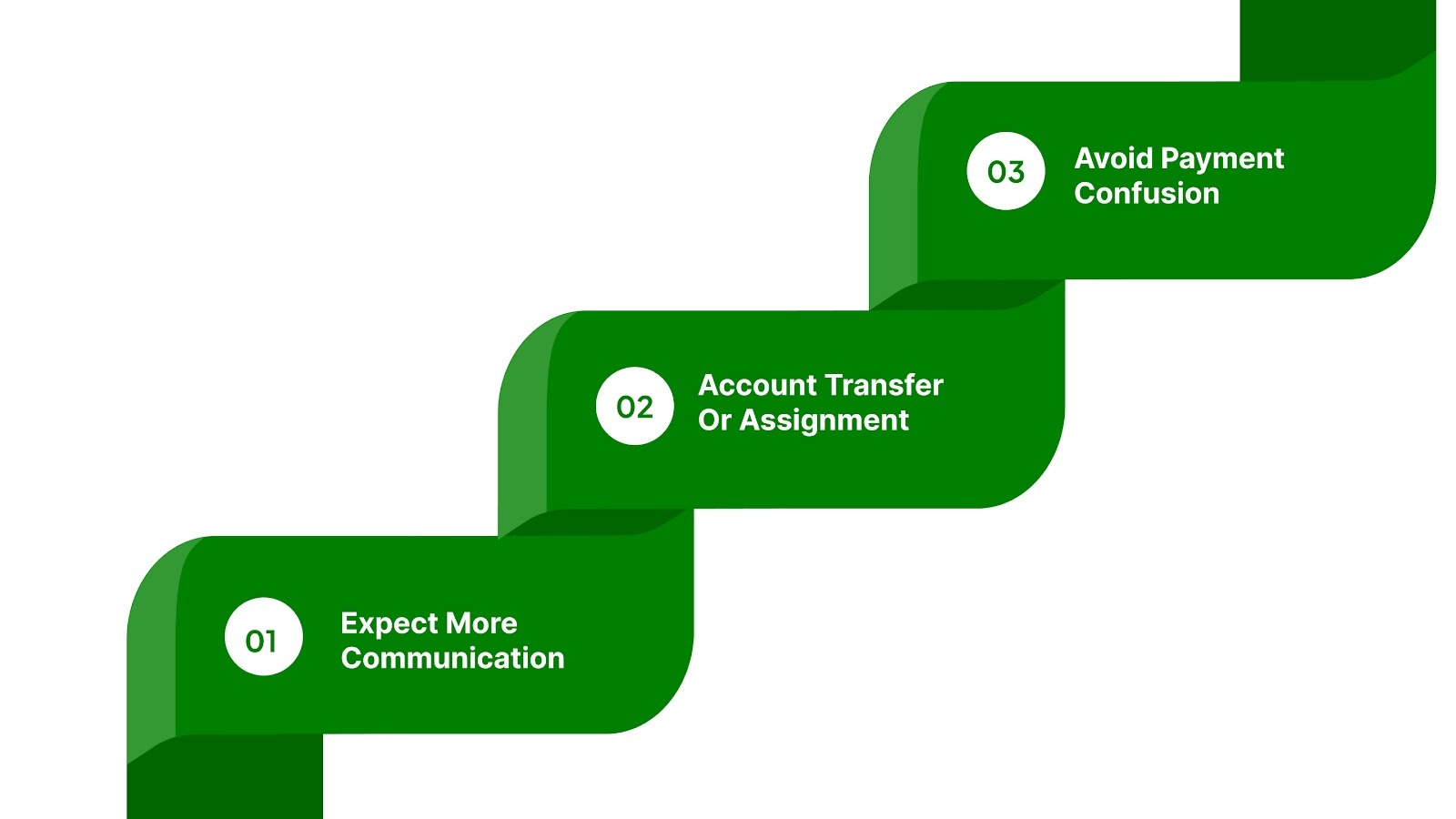
After a charge-off, you often see more communication and clearer requests for next steps. That can feel stressful, and you can handle it with a structured approach.
You may receive more notices or calls
Communication may increase as the account moves into active repayment management. Notices may explain the balance, payment options, and contact details. Keeping records helps you stay calm and clear.
Your debt may be assigned or sold to another company
Sometimes the original creditor continues managing the account. Other times, the account is transferred to another company for repayment management.
You may hear people refer to this behind-the-scenes transfer as a sale or assignment of charged-off debt. For you, it means one main thing: the company you pay and the contact point may change.
How to avoid payment confusion during an account transfer?
A transfer can be smooth when you verify the details early.
- Save the notice that lists the new company name and payment instructions
- Confirm the account number matches your records
- Use secure payment options that provide confirmation numbers
- Keep receipts and screenshots in one folder
- Ask for written confirmation if anything looks unclear.
A charge-off can feel like a setback, and it can also be the moment you start a clearer plan. Verification and organization help you move forward with more confidence.
Also Read: How to Get Out of Debt Fast on a Low Income
Your Rights When Someone Contacts You About Charged-Off Debt
When someone contacts you about charged-off debt, you deserve clarity and respectful communication. Knowing your rights helps you stay calm, ask better questions, and avoid confusion.
What does a debt validation letter include?
In many cases, you receive a written validation notice that explains key details about the debt, including who manages it and how to respond. This is often called a validation notice or validation letter. It typically helps you understand:
- The amount claimed as owed
- The name of the creditor
- How to contact the company managing the account
- How to respond if you want more detail or believe something is inaccurate.
Clear information supports better decisions, especially when you feel overwhelmed.
How does the 30-day dispute window work in plain language?
If you believe information is incorrect, you can submit a written dispute within 30 days of receiving the validation notice to request clarification and preserve your rights. A written dispute can help keep details clear and organized.
You can use a simple approach.
- State what looks inaccurate
- Ask for clarification or supporting details
- Keep a copy of your message and any response.
This step helps you feel more confident before you commit to a repayment plan.
A simple approach when something looks wrong
If the balance, dates, or account details do not match your records, you can take calm steps.
- Pause before making a payment until you confirm the details
- Ask for clarification in simple terms
- Request written confirmation of updated information
- Save all notices, emails, and receipts in one folder.
This routine protects your peace of mind and reduces mistakes.
What to do if communication feels unfair?
If contact feels confusing or too frequent, you can focus on documentation and clarity. Keep records of dates and messages, and ask for communication that stays respectful and clear. When you feel informed, you feel more in control.
Your rights quick list
- You can ask questions and request clarity
- You can keep records and ask for written confirmation
- You can dispute information you believe is inaccurate
- You can expect lawful, respectful communication.
Step-by-Step Plan to Regain Control of Charged-Off Debt
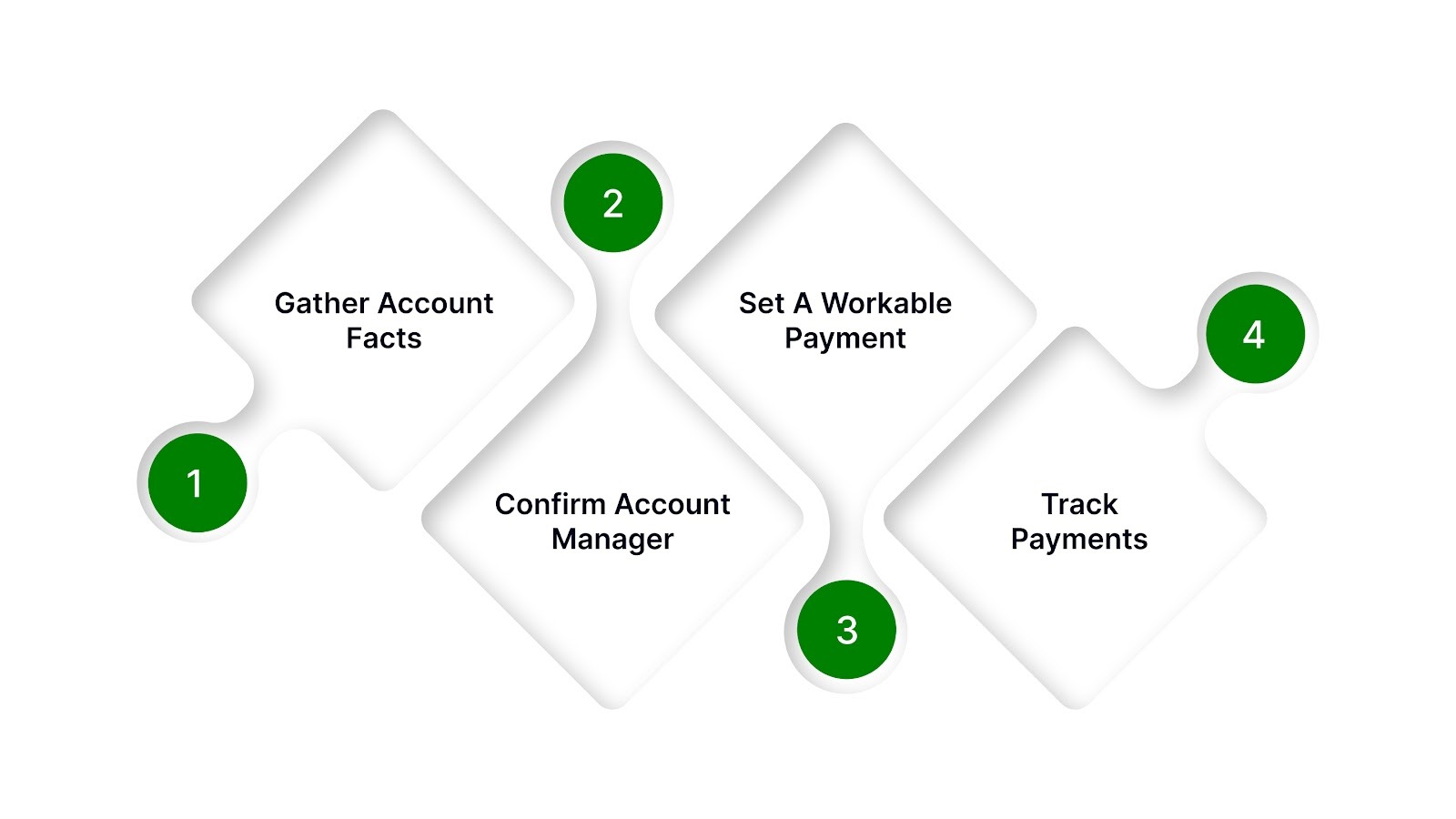
You do not need a perfect plan. You need a plan you can follow consistently. These steps help you replace uncertainty with steady, manageable progress.
Step 1: Gather facts in one place
Collect what you already have.
- Statements or notices
- Account numbers and balances
- Payment history or receipts
- Dates of letters or emails.
A single folder works well.
Step 2: Confirm who manages your account now
If you received new notices, confirm the company name and payment instructions before you send money. Save the contact details and portal link.
Step 3: Set a payment number that fits your budget
Choose a monthly amount you can sustain. A helpful approach is:
- List essentials like housing, food, and transportation
- Reserve a small buffer for surprises
- Choose a payment amount that fits what remains.
Consistency supports progress.
Step 4: Track payments and confirmations
Save proof of each payment.
- Confirmation number
- Date and amount
- Payment method
- Screenshot or receipt.
A quick checklist you can use today
- Save the latest notice
- Confirm the correct payment instructions
- Choose a realistic payment amount
- Keep every receipt in one folder.
These steps help you replace uncertainty with steady progress.
Also Read: Debt Collection Advice: Know Your Rights and Options
Your Options to Resolve Charged-off Debt Without Guesswork
You have options, and you can choose a path that fits your budget and helps you feel steady again. The goal is a realistic plan you can follow, with clear confirmation at each step.
Repayment plan options that support steady progress
A structured repayment plan can reduce pressure and make payments feel manageable. A plan works best when it matches your cash flow.
Good plan traits include:
- Payments aligned with your paydays
- A monthly amount that leaves room for essentials
- Clear due dates and clear confirmation after each payment
- A schedule you can sustain without relying on credit.
Settlement conversations in plain terms
In some situations, you may resolve the balance through an agreed-upon payoff amount, provided the terms are confirmed in writing before payment. This can provide closure and reduce ongoing stress, especially when you request clear details and written confirmation of the agreement before sending funds.
Helpful questions include:
- What amount resolves the account under the agreement
- When the payment is due, and how to pay safely
- What confirmation will you receive after payment
- How the account status will be reflected after resolution.
Paying in full and what it changes
Paying the full amount can provide certainty and end the balance as owed. It may also update how the account is shown as resolved.
You still benefit from saving all proof of payment, including receipts and confirmation numbers.
Choosing the right option for your situation
A simple guide can help you pick a direction.
- If you want steady progress, a structured repayment plan may fit best
- If you want a clear closure path, a payoff agreement may feel better
- If your budget feels tight, support and flexible options can reduce pressure.
Questions that protect clarity
Ask for clarity so you leave each conversation with confidence.
- What is the current balance and next due date?
- How are payments applied and posted?
- What happens if you pay early?
- What happens if a payment is late?
- How do you receive written confirmation of the plan?
When you choose an option that fits your real life, the process feels calmer and more sustainable.
Also Read: Understanding Debt Mediation and Repayment Strategies
How The Forest Hill Management Supports You?
Charged-off debt can feel overwhelming, and you deserve a process that stays clear, lawful, and manageable. The Forest Hill Management supports individuals navigating charged-off and unpaid accounts through structured, compliant account management and consumer-focused guidance.
Here is how that support typically works.
- Secure online payment platform: Make payments safely through a user-friendly system, with clear visibility into balances and next steps
- Personalized financial advisory services: Get support that helps you understand your situation and choose a realistic way forward
- Flexible repayment options: Use structured plans based on your circumstances, designed to reduce pressure and support steady progress
- Clear, compliant account management: Get consistent tracking of your payment status, so you know where you stand and what comes next
When you have secure payments and a realistic plan, progress feels easier to maintain. Clear support also helps reduce confusion during stressful periods.
Conclusion
Charged-off debt can feel heavy, and you still have a path forward. Start with clarity. Confirm account details, save your records, and choose an option you can follow consistently. Small, steady steps can reduce stress and create real progress.
If you want support that keeps the process clear and manageable, you can contact us to review your account and available options with confidence.
You will get secure online payment options, flexible repayment paths, and guidance that helps you understand where you stand and what comes next.
FAQs
1) What does charged-off debt mean?
Charged-off debt means the original creditor marked the account as a loss after prolonged missed payments. The balance may still require resolution, so clear next steps matter.
2) Does a charge-off mean you no longer owe the debt?
A charge-off is an accounting status, not a permission slip to ignore the balance. You can still work toward a resolution through a realistic plan and clear confirmation.
3) What happens when charged-off debt is sold?
Your account may be transferred to another company for repayment management. You may receive new payment instructions, and verification helps you avoid confusion.
4) What should you do after receiving a validation notice?
Save the notice, confirm the account details, and ask questions if anything looks inaccurate. Written confirmation and organized records help you stay confident.
5) Can repayment plans help after a charge-off?
Yes. A structured plan can reduce pressure and support consistent payments. Consistency often helps you regain control and reduce ongoing stress.