-p-500%20(1).png)
Investment Portfolio Manager: Role, Strategies, and When You Need One
Need Help Reviewing Your Account?
Contact UsInvesting has become far more common than it once was. Today, about 60% of U.S. adults own stocks or stock-related investments, either directly or through retirement accounts, mutual funds, or ETFs. As participation in financial markets grows, managing investments effectively becomes more important than ever.
The scale of professional investment management reflects this shift. Global assets under management have surpassed $128 trillion in recent years, highlighting how many individuals and institutions rely on professionals to manage their portfolios.
This is where an investment portfolio manager, also known as a portfolio management specialist, plays an important role. These professionals design investment strategies, monitor portfolios, and adjust decisions to help investors pursue their financial goals while managing risk.
In this blog, we’ll explain what a portfolio management specialist is, what they do, the strategies they use to manage investments, and when working with an investment portfolio manager may make sense.
Key Takeaways
- An investment portfolio manager is responsible for managing and optimizing investment portfolios by selecting assets, allocating investments, and adjusting strategies based on market conditions.
- Portfolio management involves ongoing research and monitoring, including analyzing financial markets, evaluating risks, and rebalancing portfolios to maintain the intended investment strategy.
- Different management strategies exist, such as active, passive, strategic, and tactical approaches, each designed to manage investments according to specific goals and market conditions.
- Professional portfolio management can be valuable when investments become complex, financial goals become long-term, or investors lack the time or expertise to manage portfolios themselves.
- Strong portfolio managers combine financial expertise, disciplined strategies, and transparent communication, helping investors maintain a structured and long-term investment approach.
What Is an Investment Portfolio Manager?
An investment portfolio manager is a financial professional who manages a group of investments on behalf of clients. These investments may include stocks, bonds, mutual funds, exchange-traded funds (ETFs), or other financial assets. Instead of choosing investments randomly, the portfolio manager builds a structured portfolio designed to support specific financial goals such as long-term growth, income generation, or capital preservation.
Portfolio management is a specialized field within the financial services industry. Professionals in this role analyze market trends, evaluate economic conditions, and develop strategies that guide how money is invested. Their job involves balancing potential returns with acceptable levels of risk while ensuring the portfolio stays aligned with the investor’s objectives over time.
Investment portfolio managers typically work with several types of clients:
- Individual investors: People who want professional guidance in managing personal investments or retirement savings.
- Investment funds: Organizations such as mutual funds or pension funds that manage pooled investments from multiple investors.
- Institutional investors: Large entities like insurance companies, foundations, or government organizations that oversee significant investment portfolios.
Regardless of the client type, the portfolio manager’s main responsibility is to design and implement an investment strategy that meets the investor’s financial goals. This includes deciding how assets should be allocated across different investment categories and adjusting the portfolio when market conditions change.
Also read: Portfolio Management Explained: Meaning, Process & Use
Once the role itself is clear, the next step is to look more closely at how portfolio managers operate in practice and what responsibilities they handle day to day.
What Does a Portfolio Management Specialist Do?
Managing a portfolio requires continuous research, analysis, and decision-making to ensure that the investments remain aligned with the investor’s goals and changing market conditions. Because financial markets shift constantly, portfolio managers regularly review performance and adjust strategies to maintain a balanced and effective investment approach.
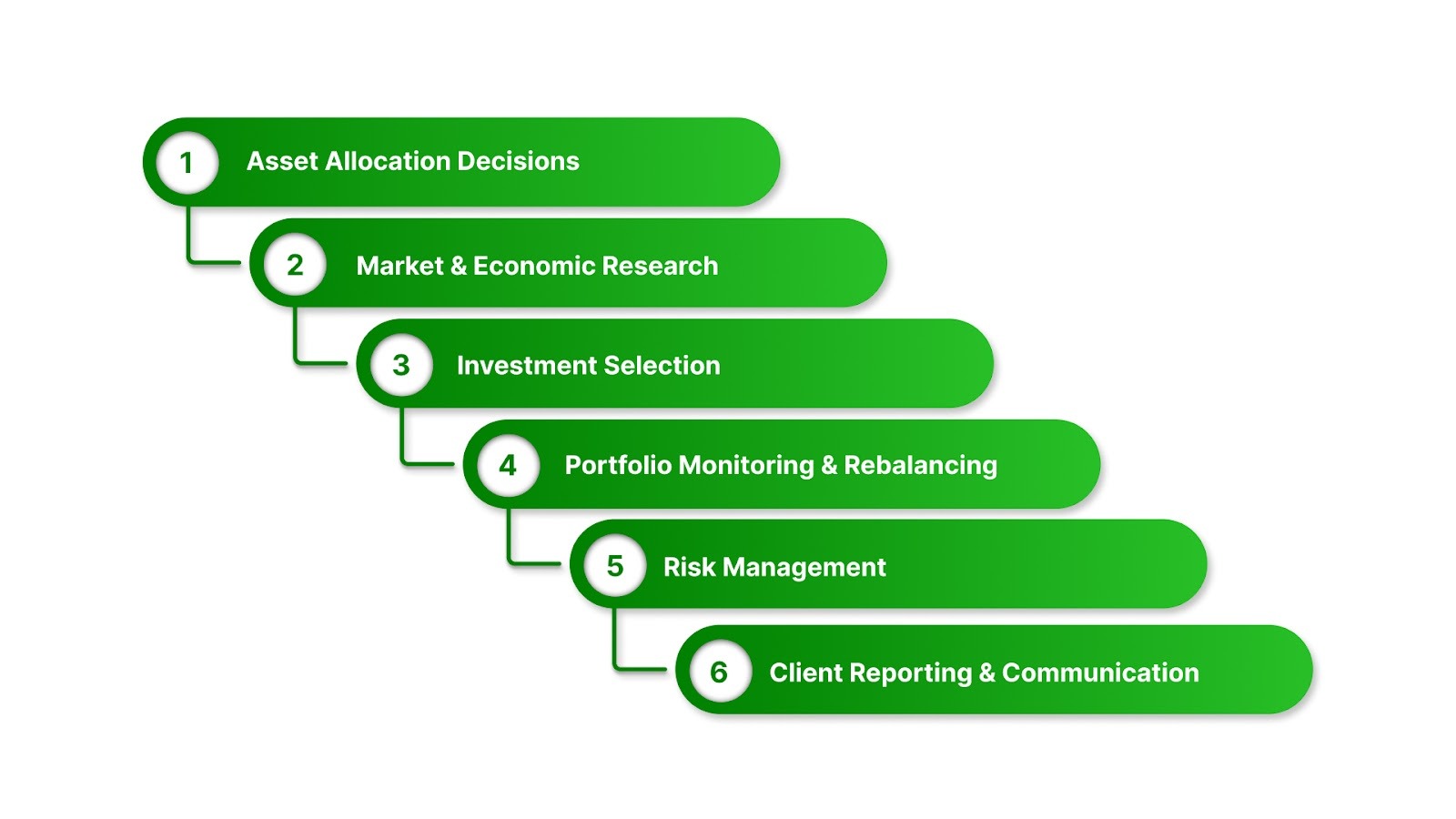
Below are some of the key responsibilities portfolio management specialists handle in their day-to-day work.
- Asset Allocation Decisions: One of the most important tasks is deciding how to distribute investments across different asset classes such as stocks, bonds, cash equivalents, or alternative investments. Proper asset allocation helps balance potential returns with acceptable levels of risk while supporting the investor’s financial goals.
- Market and Economic Research: Portfolio managers continuously analyze financial markets, economic trends, and industry developments. They review interest rate movements, inflation data, corporate earnings reports, and global economic indicators to understand how these factors may affect investment performance.
- Investment Selection: After identifying opportunities, portfolio managers evaluate specific securities such as individual stocks, bonds, or funds. This process involves reviewing company financial statements, assessing growth potential, comparing valuations, and determining whether an investment fits the portfolio’s strategy.
- Portfolio Monitoring and Rebalancing: Investments rarely remain in perfect balance over time. Portfolio managers regularly review portfolio performance and rebalance allocations when certain assets grow or decline significantly. Rebalancing helps maintain the intended risk level and investment strategy.
- Risk Management: Every investment carries some level of risk. Portfolio managers evaluate potential risks related to market volatility, economic conditions, and asset concentration. Diversifying investments and adjusting allocations are common techniques used to manage these risks.
- Reporting and Client Communication: Portfolio managers also provide regular updates to clients about portfolio performance, strategy adjustments, and market outlook. Clear communication helps investors understand how their money is being managed and how investment decisions support their long-term objectives.
Through these responsibilities, portfolio managers actively guide investment portfolios over time.
Because investment goals and risk tolerance can vary widely from one investor to another, portfolio managers rely on different strategic approaches to manage portfolios effectively.
Types of Portfolio Management Strategies
Portfolio managers use different strategies to manage investments depending on the investor’s goals, risk tolerance, and time horizon. Some approaches focus on actively seeking higher returns, while others aim to match overall market performance or maintain long-term balance.
The table below explains the most common portfolio management approaches:
Each of these strategies reflects a different philosophy about how markets work and how investments should be managed. In practice, many portfolio managers combine elements of multiple strategies to create a balanced approach that aligns with the investor’s financial objectives.
Also read: Effective Portfolio Management Best Practices Guide
Understanding these strategies also raises an important question for many investors: at what point does it make sense to seek professional portfolio management support?
When Should an Investor Work With a Portfolio Manager?
Not every investor needs a portfolio manager right away. Many people begin investing on their own through retirement accounts, mutual funds, or index funds. However, there are certain situations where professional portfolio management can provide valuable guidance, especially when investments become more complex or when financial goals require a more structured strategy.
Below are some common situations where working with an investment portfolio manager may be helpful.
When Your Investment Portfolio Becomes Larger or More Complex
As investment balances grow, managing multiple accounts, asset classes, and tax considerations can become more complicated.
Portfolio managers help organize and oversee investments so that the portfolio remains balanced and aligned with long-term financial objectives.
When You Want a Professional Investment Strategy
Building a diversified portfolio requires research, market knowledge, and ongoing monitoring.
Portfolio managers develop structured investment strategies based on factors such as risk tolerance, time horizon, and financial goals, helping investors avoid random or uncoordinated investment decisions.
When You Do Not Have Time to Manage Investments Yourself
Monitoring financial markets, analyzing companies, and adjusting allocations requires continuous attention.
Investors with demanding careers or limited experience may choose to work with a portfolio manager who can research opportunities and monitor portfolio performance on their behalf.
When Market Volatility Makes Decision-Making Difficult
Financial markets can change quickly due to economic news, interest rate changes, or global events.
Portfolio managers regularly analyze market conditions and adjust investment strategies to help manage risk and maintain portfolio stability during uncertain periods.
When You Are Planning for Major Financial Goals
Long-term goals such as retirement planning, funding education, or preserving wealth for future generations often require a structured investment approach.
A portfolio manager can help align investment decisions with these long-term financial objectives while managing risk appropriately.
Working with a portfolio manager does not replace an investor’s financial goals or preferences. Instead, it provides professional expertise that helps guide investment decisions, manage risk, and maintain a disciplined strategy as financial markets evolve.
Also read: What Investment Portfolio Management Means for Managing Debt Over Time
If working with a portfolio manager becomes a realistic option, knowing what qualities define a capable and trustworthy professional becomes an important part of the decision.
Essential Qualities to Look for in a Successful Portfolio Manager
Choosing an investment portfolio manager involves more than reviewing performance numbers. A successful portfolio manager combines technical expertise, disciplined decision-making, and clear communication to help investors manage risk while pursuing long-term financial goals.
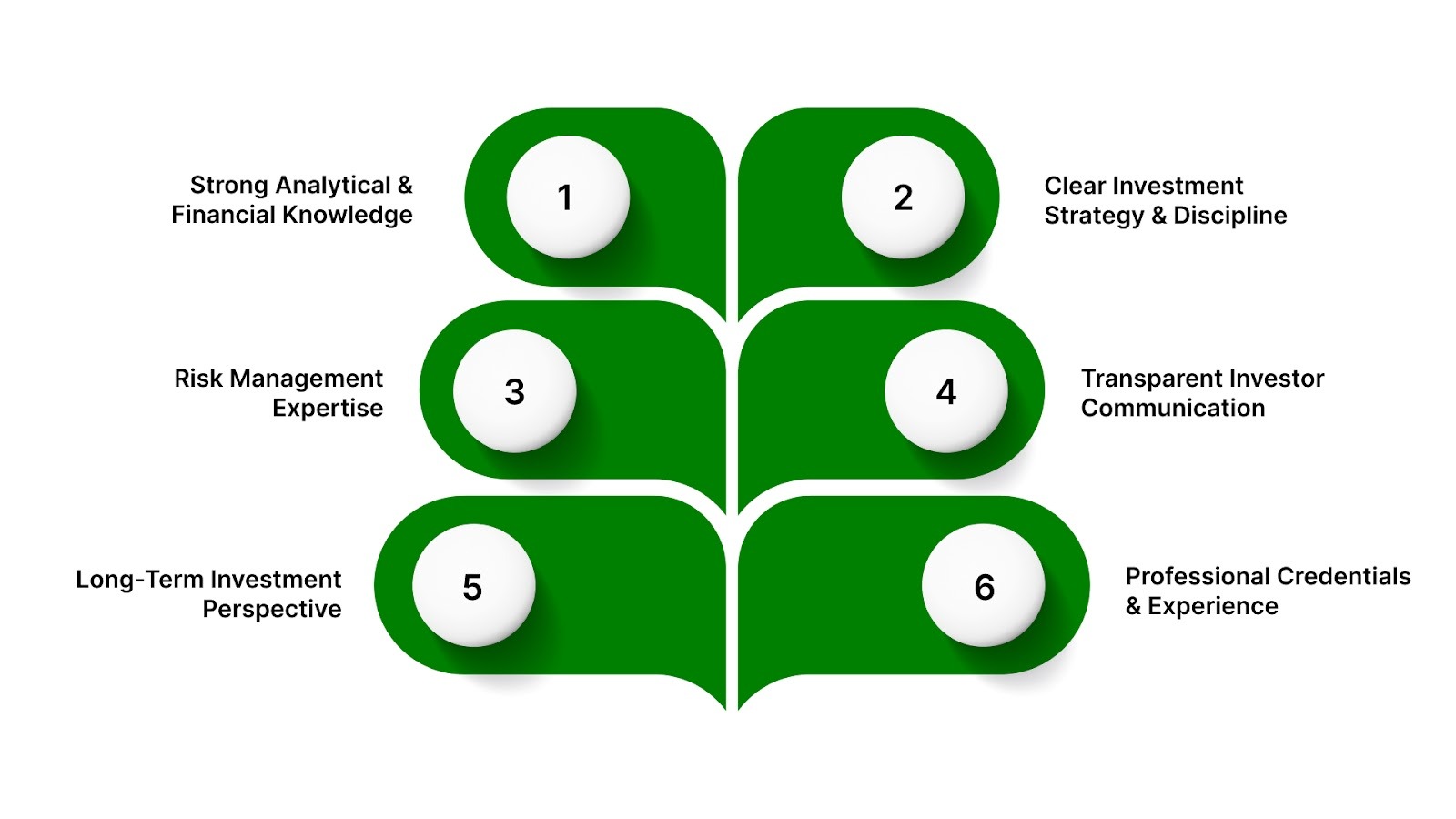
Understanding the qualities that define strong portfolio management can help investors make more informed decisions when selecting a professional to manage their investments.
Below are several key qualities investors should look for in a portfolio manager:
Strong Analytical and Financial Knowledge
Portfolio managers must be able to evaluate financial data, interpret economic trends, and analyze investment opportunities carefully.
This often involves reviewing company financial statements, studying market movements, and understanding how economic factors such as inflation, interest rates, or geopolitical events may influence investment performance. A strong analytical foundation helps ensure that investment decisions are based on careful research rather than speculation.
Clear Investment Strategy and Discipline
A reliable portfolio manager follows a well-defined investment strategy rather than reacting impulsively to short-term market movements.
Whether the approach involves long-term asset allocation, active investment selection, or index tracking, the manager should be able to explain the strategy clearly and apply it consistently over time. Discipline is particularly important during market volatility when emotional decisions can negatively affect investment outcomes.
Risk Management Expertise
Successful portfolio management is not only about pursuing higher returns. It also involves managing potential risks that could affect the portfolio.
Skilled portfolio managers diversify investments across different asset classes, sectors, and geographic regions to reduce exposure to any single risk. They also monitor the portfolio regularly to ensure that its risk level remains appropriate for the investor’s goals and time horizon.
Transparent Communication With Investors
Investors should be able to understand how their portfolio is performing and why certain decisions are being made.
Effective portfolio managers provide regular updates, explain changes in strategy, and discuss potential risks or opportunities. Clear communication helps build trust and allows investors to stay informed about how their investments are being managed.
Long-Term Perspective and Patience
Financial markets often experience short-term fluctuations, but long-term investment success typically requires patience and consistency.
A strong portfolio manager maintains a long-term perspective and avoids making unnecessary changes based on temporary market movements. This approach helps keep the investment strategy aligned with the investor’s financial goals rather than short-term market noise.
Professional Credentials and Industry Experience
Many experienced portfolio managers hold professional certifications such as the Chartered Financial Analyst (CFA) designation or advanced degrees in finance or economics.
These qualifications often indicate a strong understanding of investment theory, portfolio management practices, and ethical standards within the financial industry.
When these qualities are present, investors are more likely to benefit from a well-managed portfolio that supports long-term financial growth and stability.
While portfolio management focuses on building and guiding investment strategies, maintaining overall financial clarity is just as important when reviewing your broader financial situation.
Conclusion
Managing investments successfully involves more than selecting a few stocks or funds. It requires a clear strategy, continuous monitoring, and thoughtful decisions that balance potential returns with acceptable levels of risk. This is the role of an investment portfolio manager.
If you are currently reviewing your financial situation or dealing with outstanding financial obligations that are affecting your long-term planning, gaining clarity about your accounts is just as important as building an investment strategy.
Contact The Forest Hill Management today to explore your options and take the next step toward greater financial clarity and stability!
FAQs
1. How does an investment portfolio manager measure portfolio performance?
Portfolio managers typically evaluate performance using financial benchmarks, portfolio returns, and risk-adjusted metrics. These measurements help determine whether the portfolio is meeting its investment objectives compared with relevant market indexes.
2. Can individual investors manage their own investment portfolios?
Yes, many investors manage their portfolios independently using online brokerage platforms and investment tools. However, as portfolios grow or investment strategies become more complex, some individuals choose professional portfolio management for additional expertise and structured oversight.
3. How often should an investment portfolio be reviewed?
Most portfolios are reviewed periodically, often quarterly or annually, to assess performance and ensure the investment allocation still matches the investor’s goals and risk tolerance. Market conditions may also require adjustments at other times.
4. What is the difference between a portfolio manager and a financial planner?
A portfolio manager focuses primarily on selecting and managing investments within a portfolio. A financial planner typically provides broader financial guidance, which may include retirement planning, budgeting, tax strategies, and overall financial goal planning.
5. Are portfolio managers only used by wealthy investors?
While high-net-worth individuals often use portfolio managers, many investment funds, retirement accounts, and financial advisory services also provide professional portfolio management to a wide range of investors.