-p-500%20(1).png)
How to Get Out of Debt Trap Safely
Need Help Reviewing Your Account?
Contact UsA debt trap does not always look obvious from the outside. You might still be making payments on time, staying within limits, and doing what feels financially responsible. Yet, the balance barely moves, interest keeps adding up, and progress feels slower than it should.
This is not a rare situation. Many borrowers revolve balances month after month, which means debt stays active longer and becomes harder to reduce without a clear strategy in place. Over time, this creates a pattern where effort does not always lead to visible results.
The problem is not always how much you owe. It is how the debt is structured, managed, and approached.
In this blog, you will learn how to get out of a debt trap safely, what causes these situations, the steps that help you break the cycle, the rights you have throughout the process, and how structured support can make the path forward clearer and more manageable.
Key Takeaways
- A debt trap is a pattern where payments do not significantly reduce your balance, often due to interest, multiple accounts, or ongoing borrowing.
- Breaking the cycle starts with clarity, knowing exactly what you owe and how each account is structured.
- A safe exit focuses on realistic planning and consistency rather than aggressive or short-term solutions.
- Avoiding common pitfalls like new borrowing or quick fixes is just as important as following a repayment plan.
- Staying informed, organized, and engaged with your accounts helps you maintain control and move forward with confidence.
What Is a Debt Trap?
A debt trap is a situation where your debt becomes difficult to reduce despite making regular payments. Instead of moving toward repayment, the balance either stays the same or continues to grow over time. This usually happens when interest, fees, or new borrowing begin to outweigh the impact of your payments.
At its core, a debt trap is not just about having debt. It is about being stuck in a cycle where progress feels limited or unclear, even when you are actively trying to manage it.
- When Payments Do Not Reduce the Principal Meaningfully: In many cases, payments are applied largely toward interest or fees rather than the actual balance. This can make it feel like you are paying regularly without seeing noticeable progress.
- When Interest and Charges Continue to Build: High interest rates or compounding charges can cause balances to increase over time, especially if payments are small or inconsistent. This creates a situation where the total amount owed keeps rising.
- When New Debt Is Used to Manage Existing Debt: A common sign of a debt trap is relying on one form of credit to pay off another. This may provide temporary relief but often leads to a larger overall balance and a more complex situation.
- When Multiple Accounts Become Difficult to Track: Managing several debts at once can make it harder to stay organized. Different balances, due dates, and terms can create confusion, increasing the risk of missed payments or miscommunication.
- When Financial Flexibility Starts to Decrease: As more income goes toward debt payments, it becomes harder to cover regular expenses or handle unexpected costs. This can reinforce the cycle and make it more difficult to move forward.
Also read: How to Manage and Improve Your Debt-to-Income Ratio
A debt trap is best understood as a pattern rather than a single event. Recognizing these signs early helps bring clarity to the situation and makes it easier to take structured steps toward breaking the cycle.
Common Reasons People Fall Into a Debt Trap
Debt traps do not come from a single mistake. They usually develop through a combination of financial patterns, habits, and external pressures that build over time. Understanding these underlying causes can help you recognize where the situation may have started and what needs to change moving forward.
- Relying on Credit for Everyday Expenses: When regular living costs begin to exceed income, credit often fills the gap. Over time, this shifts debt from being occasional to ongoing, making it harder to break the cycle since new balances are added before older ones are reduced.
- Irregular Income or Cash Flow Gaps: Income that fluctuates month to month can make it difficult to maintain consistent payments. During lower-income periods, payments may be delayed or reduced, allowing balances to build and disrupt repayment momentum.
- Stacking Multiple Financial Commitments at Once: Managing several loans, credit lines, or payment obligations simultaneously can spread resources too thin. Even if each payment seems manageable on its own, together they can create pressure that slows overall progress.
- Underestimating the Long-Term Cost of Borrowing: Short-term affordability can sometimes hide long-term impact. Lower initial payments or extended timelines may feel manageable upfront, but they can significantly increase the total repayment burden over time.
- Delayed Response to Financial Changes: Financial situations can shift quickly due to changes in income, expenses, or personal circumstances. When adjustments are not made early, small gaps can turn into larger repayment challenges.
- Lack of a Defined Repayment Structure: Without a clear plan, payments can become inconsistent or misaligned with priorities. This often leads to situations where effort is being made, but progress is not clearly visible.
- Emotional Spending or Financial Stress Responses: Stress, uncertainty, or lifestyle pressures can influence spending behavior. In some cases, this leads to decisions that prioritize short-term relief over long-term stability.
- Limited Visibility Into Account Details: When balances, due dates, or account terms are not clearly understood, it becomes harder to manage them effectively. This lack of visibility can lead to missed payments, unexpected charges, or confusion about what is owed.
These factors do not operate in isolation. In many cases, a debt trap forms when several of these patterns overlap. Recognizing them is an important step toward regaining clarity and moving toward a more structured and manageable financial position.
How to Get Out of a Debt Trap Safely?
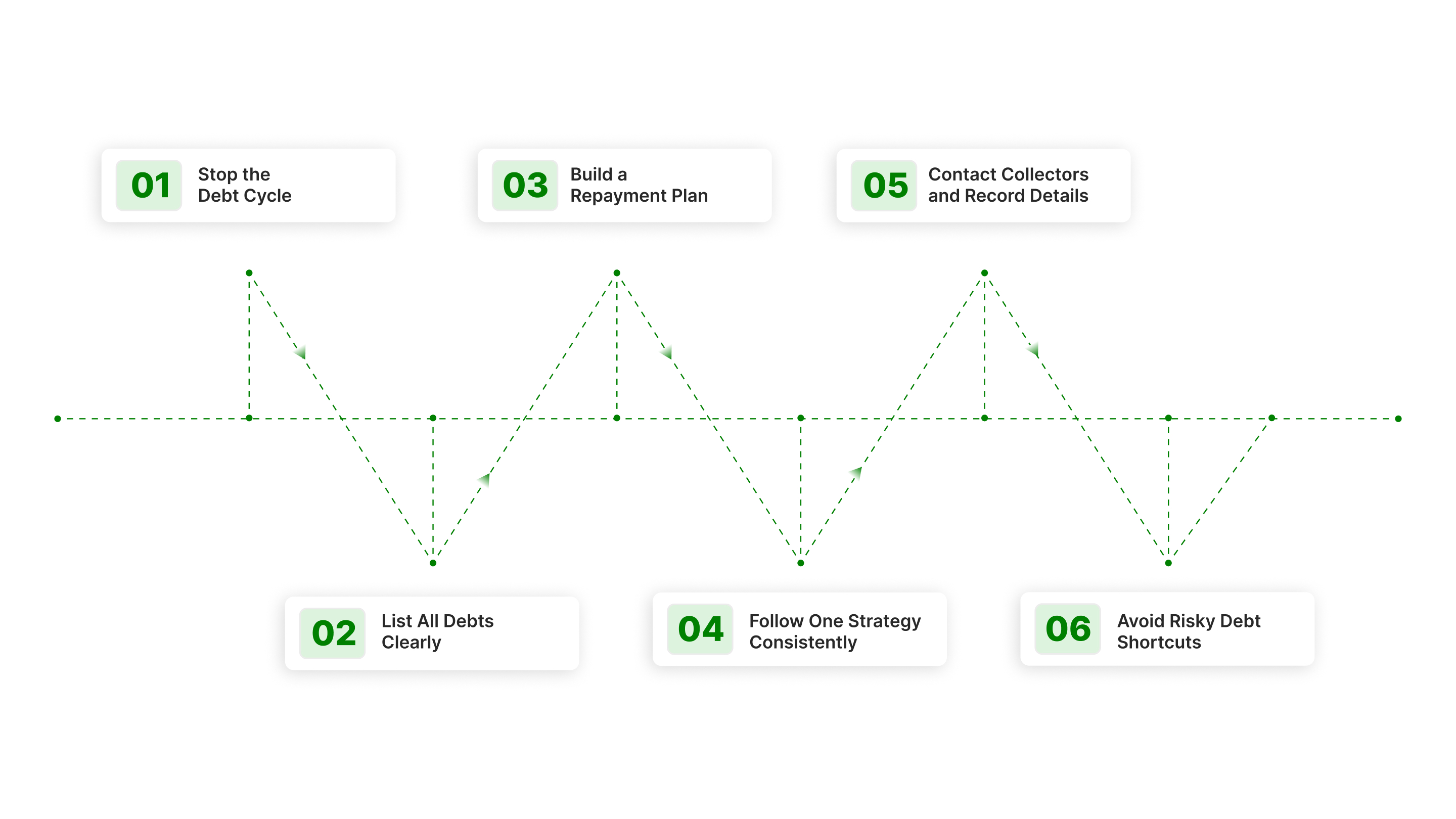
Getting out of a debt trap is safest when you focus on stability first and speed second. The most effective approach is to stop the cycle from growing, get a clear picture of what you owe, and then work through a repayment plan you can realistically maintain.
Here's how you can do that:
1. Stop the Cycle from Getting Worse
The first safe move is to stop adding new balances wherever possible. If you keep borrowing to cover old debt, the cycle usually gets harder to break because the total amount owed keeps rising while your payments are stretched thinner. A safer approach is to pause non-essential spending on credit and focus on protecting the cash you already have for essentials and repayment.
- Avoid using credit for purchases that are not necessary.
- Put new borrowing on hold unless it is essential.
- Protect the money you need for housing, food, utilities, and minimum payments.
2. Get a Full Picture of What you Owe
You cannot make a safe plan without knowing exactly what is on the table. List every account, its current balance, interest rate, minimum payment, and status so you can see where pressure is coming from. When an account has moved into collections, you also have the right to request validation information and dispute the debt in writing if the details do not match your records.
- Write down every debt in one place.
- Separate current accounts from past-due or collected accounts.
- Request written validation if a collection account is unfamiliar.
- Keep every notice, statement, and letter together for reference.
3. Build a Realistic Repayment Plan
A safe exit from debt trap depends on a plan that fits your actual income, not an ideal one. Budgeting is the foundation here, because it shows how much you can put toward debt without creating a new shortfall in the rest of your life.
- Compare your income against your fixed and variable expenses.
- Set aside a specific amount for debt repayment each month.
- Pick a method you can actually stick with over time.
- Keep minimum payments going on all accounts while you direct extra money to one priority debt.
4. Use your Repayment Method Consistently
The safest repayment strategy is the one that you can follow without burning out. A higher-interest-first approach can reduce the total interest paid over time, while the smallest-balance-first approach can create quick wins that help you stay motivated. The key is consistency, because repayment methods work best when they are applied steadily rather than changed every few weeks.
- If you want to reduce interest costs, focus on the highest-rate debt first.
- If you need early progress to stay motivated, focus on the smallest balance first.
- Keep paying at least the minimum on all other debts so nothing falls further behind.
- Use any extra funds, such as refunds or bonuses, on the debt you are targeting.
5. Speak Directly with the Agency and Keep Records
If one of your accounts is being handled by a debt collection agency, direct communication can help you understand your options and avoid surprises. The law gives you protection from abusive or deceptive collection practices, limits certain contact times, and lets you dispute the debt or ask for written verification. You can also negotiate repayment terms, ask for written confirmation of any agreement, and keep a record of every conversation.
- Ask for written verification before agreeing to pay.
- Keep notes of dates, names, and what was discussed.
- Ask for repayment terms in writing if a plan is offered.
- Use written communication when something needs to be clear and documented.
Also read: How to Pay Off Debt in Collections Safely
6. Be Careful with Shortcuts that can Make Debt Worse
A debt trap often deepens when people reach for quick fixes that look easier than they really are. Debt consolidation, balance transfers, or renegotiation can help in some cases, but they should be reviewed carefully because terms, fees, and timing can change the real cost of repayment. If your debt feels unmanageable even after budgeting and repayment planning, consumer guidance says it is reasonable to look for professional help before the situation gets more stressful.
- Read the terms carefully before agreeing to a new product or arrangement.
- Do not assume a lower monthly payment means a lower total cost.
- Ask for help sooner if minimum payments are no longer realistic.
- Treat any solution as useful only if it actually improves your long-term position.
The safest way out of a debt trap is usually the least dramatic one: understand the debt, stop adding to it, make a realistic plan, and stay consistent. When an account is being managed in collections, use your rights, keep records, and communicate clearly so you remain in control of the process.
If your account is being handled by The Forest Hill Management, you are not expected to figure everything out on your own. Their approach focuses on helping you understand your account clearly, providing secure ways to make payments, and offering structured repayment options that reflect your situation.
What Rights Do You Have When You’re in Debt?
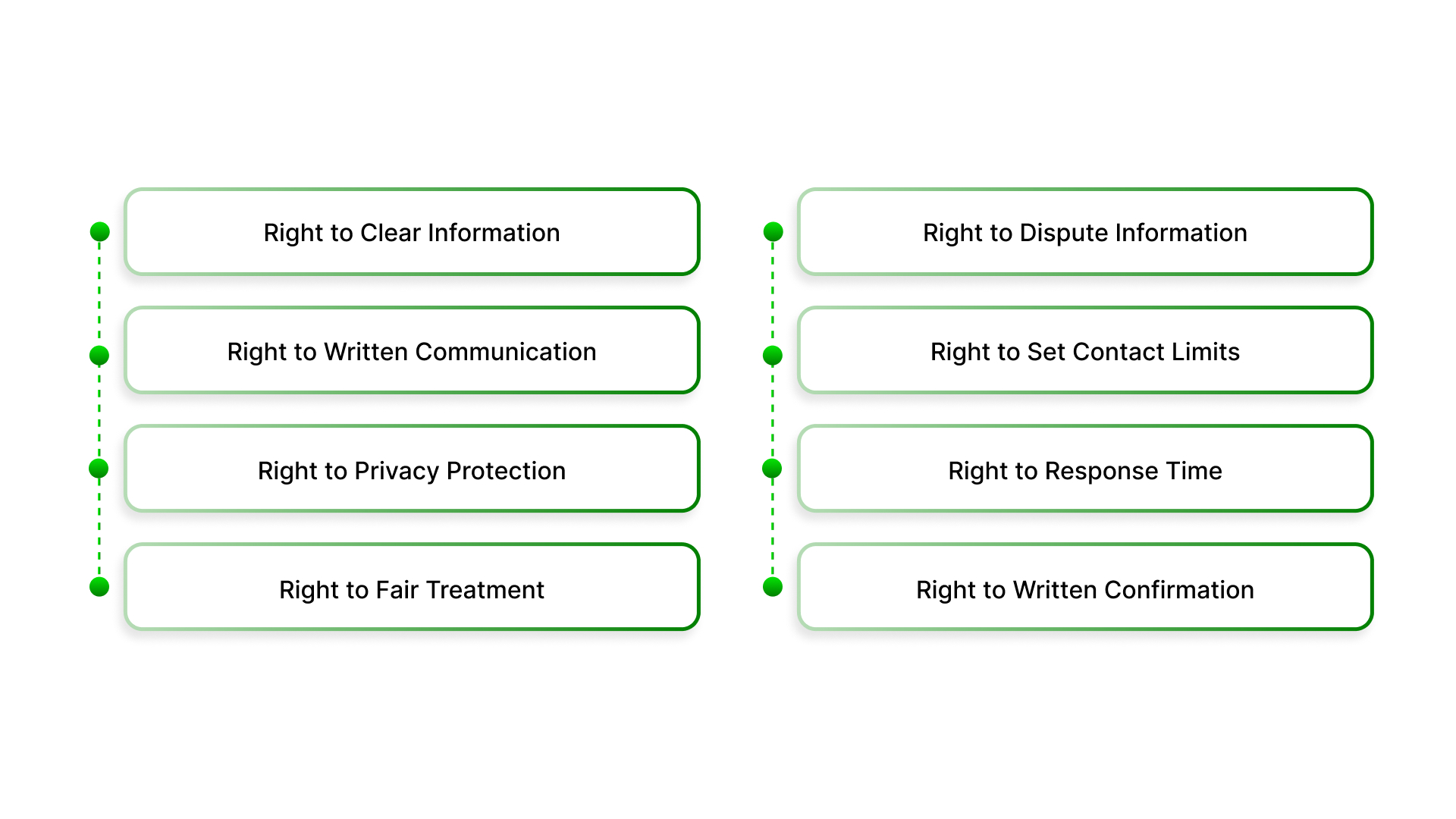
Being in debt does not take away your rights. In fact, there are clear legal protections in place to ensure that you are treated fairly, your information is handled responsibly, and you are given the opportunity to understand and respond to your situation properly.
Knowing these rights can help you approach the process with more confidence and less uncertainty.
- Right to Clear and Accurate Information: You are entitled to know exactly what is being claimed. This includes details such as the total amount owed, the name of the current creditor, and how the balance has been calculated. You can request clarification if anything is unclear or does not match your understanding.
- Right to Written Communication and Transparency: Important details about your account should be provided in writing. This gives you the opportunity to review the information at your own pace and keep a record of what has been communicated.
- Right to Privacy and Confidentiality: Your financial situation is personal. Your debt information cannot be shared freely with others, and communication about your account must respect your privacy. This helps protect your personal and financial details from unnecessary exposure.
- Right to Fair and Respectful Treatment: You have the right to be treated with professionalism and respect. Communication should remain clear, appropriate, and free from misleading or threatening language. The process is meant to inform and resolve, not intimidate.
- Right to Dispute or Question Information: If something does not look correct, you can raise a concern or dispute. This allows you to challenge inaccuracies and request verification before taking further steps.
- Right to Set Communication Boundaries: You can express preferences around how and when you are contacted. This helps ensure that communication remains manageable and does not interfere with your daily responsibilities.
- Right to Time and Process Before Legal Action: Debt resolution follows a structured process. You are given time to review notices, respond, and understand your options before any formal legal steps are taken.
- Right to Keep Records and Receive Confirmation: You can request confirmation of payments, agreements, and account updates. Maintaining documentation helps you stay organized and ensures that your actions are properly recorded.
Also read: How to Report Fake Debt Collectors and Scams
Understanding these rights helps shift the situation from uncertainty to structure. When you know what to expect and what you are entitled to, it becomes easier to engage with the process, ask the right questions, and move forward with clarity.
Conclusion
A debt trap often feels like a situation that keeps tightening the more you try to fix it. But in reality, it is a pattern, and patterns can be changed when you bring clarity and structure into the process.
You do not need to solve everything at once. What makes the difference is understanding your position, making steady decisions, and staying consistent with a plan that works for your situation.
If your account is being managed by The Forest Hill Management, the process is designed to support that clarity. With structured account oversight, secure payment options, and realistic repayment discussions, you are given a clearer way to move forward without unnecessary confusion or pressure.
Take the first step toward breaking the cycle.
FAQs
1. Can being in a debt trap affect my ability to take future loans?
Yes, prolonged debt cycles can impact your credit profile over time, which may influence future borrowing options or terms offered to you.
2. Is it better to close accounts while trying to get out of debt?
Closing accounts depends on your situation. In some cases, keeping accounts open and in good standing while reducing balances may be more beneficial.
3. How do I handle multiple debts with different due dates?
Creating a centralized schedule or calendar for all your payments can help you stay organized and avoid missed deadlines.
4. What should I do if I feel unsure about a repayment agreement?
Take your time to review the terms, ask for written confirmation, and ensure the agreement fits your financial situation before committing.
5. Can debt situations improve even if progress feels slow?
Yes, consistent small steps often lead to meaningful progress over time, even if the changes are not immediately visible.