-p-500%20(1).png)
Got a Distressed Asset Portfolio Notice? Know Your Next Steps
Need Help Reviewing Your Account?
Contact UsWhen bills pile up, and unfamiliar letters start arriving, it can feel like you are losing control of your financial footing. Seeing the term Distressed Asset Portfolio may add to that uncertainty, especially if you are already worried about missed payments or possible wage garnishment options.
Financial setbacks happen to many people, often due to circumstances outside their control. What matters now is having clear information and a steady path forward.
In this guide, you will learn how a Distressed Asset Portfolio fits into the account management process, what protections apply to you, and how structured debt repayment plans and secure communication can help you move toward resolution with greater certainty.
Key Takeaways
- A Distressed Asset Portfolio means your unpaid account was transferred to a new company for management, not that immediate legal action is underway.
- Federal law limits contact hours, prevents harassment, requires written validation, and gives you a 30-day window to dispute the debt.
- Money cannot be taken from your paycheck without a lawsuit and a formal court judgment, giving you time to respond.
- Installment plans or negotiated payment arrangements can help you manage unpaid accounts without overwhelming your monthly budget.
- Your personal information is safeguarded by federal privacy laws, secure communication standards, and structured account management practices.
If You Received a Notice Referencing a “Distressed Asset Portfolio,” Here Is What It Actually Means
Receiving a notice with unfamiliar names can feel unsettling, especially if you were not expecting it. When you see “Distressed Asset Portfolio III, LLC” or “DAP III,” it typically means your unpaid account has been transferred from the original lender to a different company that now manages the account.
This change does not remove your rights, and it does not mean wage garnishment or court action is happening automatically. It simply means the company listed is now the current creditor for that account.
Understanding what this notice includes can help reduce confusion and give you clarity about your next steps:
- Current Creditor Identified: The company named in the letter is now responsible for managing the account and communicating with you about it.
- Original Account Source Listed: The notice should clearly state the original bank or lender where the account began.
- Written Validation Details: You must receive written information showing the amount claimed and your right to question it.
- Right To Dispute Within 30 Days: If you dispute the debt in writing within 30 days, collection efforts must pause until verification is provided.
- Possible Third-Party Communication: A collection agency or law firm may contact you on the creditor’s behalf, but your rights remain the same.
A notice like this signals a shift in account management, not an immediate crisis. Taking a moment to review the details helps you avoid rushed decisions.
Explore how structured account transitions are managed and what they can mean for you in our guide on Portfolio Expansion Strategies Through Acquisition.
What You Can Do Next: A Clear Plan to Regain Control
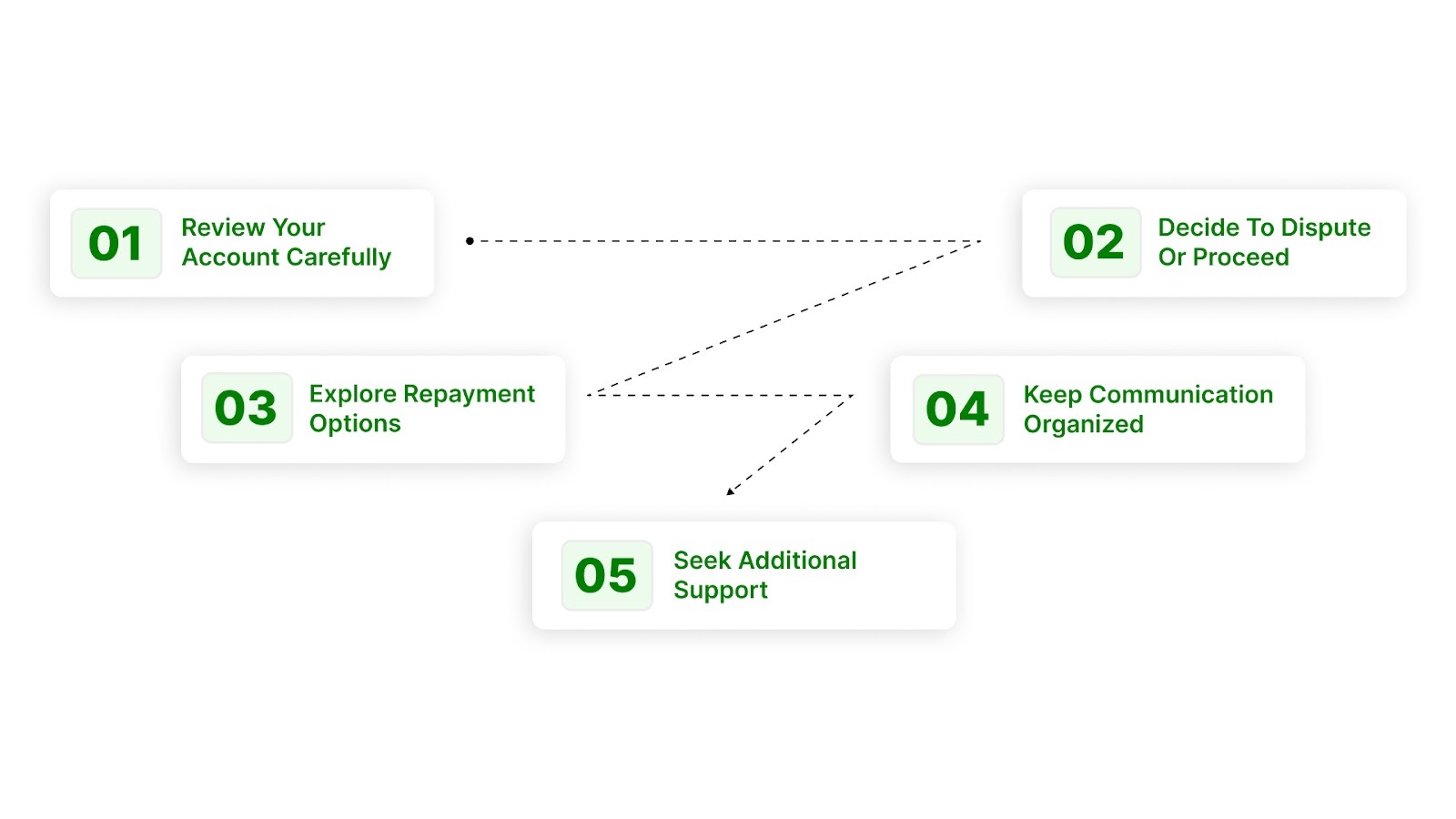
After reviewing your notice and understanding your rights, the next step is steady action. You do not need to solve everything immediately. Breaking the process into manageable steps can help you move forward with clarity and reduce unnecessary stress.
1. Review Your Account With Care
Taking a few minutes to calmly examine the details can prevent confusion later. This step helps you feel grounded before making decisions.
Confirm The Basic Information:
- Match the account number with your prior statements.
- Compare the balance to your last known amount.
- Check the original delinquency date listed.
Compare With Your Own Records:
- Look for recent payments that may not appear.
- Confirm the original creditor name.
- Review any prior settlement discussions.
Example: If the balance shows $4,850 but your last statement showed $4,200, request clarification before proceeding.
Give Yourself Space To Process: A thoughtful review supports clearer choices and reduces the chance of reacting under pressure.
2. Decide Whether To Dispute Or Move Forward
Once you understand the details, consider whether the information appears accurate. This decision shapes your next steps.
Identify Any Concerns:
- Balance seems higher than expected.
- The account does not look familiar.
- Payment history appears incomplete.
Reflect On Your Current Situation:
- Calculate monthly take-home income.
- Subtract essential living expenses.
- Identify a realistic payment range.
Example: If you have $300 left after essentials, agreeing to a $400 monthly payment may create more stress.
Choose The Path That Fits You: Selecting a direction based on your circumstances allows you to move forward with greater assurance.
3. Explore Realistic Repayment Options
If the account is accurate, structured repayment can offer a practical path toward resolution without overwhelming your budget.
Consider Installment Plans:
- Confirm the monthly amount in writing.
- Verify due dates.
- Ask for confirmation once paid.
Evaluate Lump-Sum Arrangements:
- Ask if a reduced total is available.
- Request written confirmation of terms.
- Keep proof of final resolution.
Example: If you agree to a reduced lump sum, request confirmation that the account will reflect as resolved once paid.
Focus On Sustainability: A manageable payment plan should support your financial stability rather than strain it.
4. Keep Communication Organized And Secure
Staying organized reduces uncertainty and helps you track your progress over time.
Maintain Clear Records:
- Save letters and emails.
- Write down call dates and names.
- Keep payment confirmation numbers.
Use Secure Payment Channels:
- Pay through verified online portals.
- Avoid sharing sensitive details casually.
- Keep transaction receipts.
Example: Keeping screenshots of online payments helps if you ever need proof of payment.
Stay In Control Of Your Information: Organized communication protects your peace of mind and supports transparency.
5. Reach Out If You Need Additional Support
If the process feels overwhelming, seeking guidance can provide clarity and reassurance.
Explore Community Resources:
- Contact nonprofit legal aid offices.
- Review state consumer agency information.
- Seek trusted financial counseling.
Consider Financial Counseling:
- Clarify anything you do not understand.
- Request explanations in writing.
- Take time before committing.
Example: If a term feels unclear during a call, ask for the details to be sent in writing before agreeing.
Taking Action Builds Stability: Seeking help can strengthen your ability to make informed and steady decisions.
Small, deliberate steps can help you regain control over your situation. With written confirmation in place, you can move toward resolution in a way that supports your long-term financial stability.
If you want clear, practical guidance customized to your situation, explore our comprehensive resource on Debt Collection Advice: Know Your Rights and Options.
If You Are Worried About Wage Garnishment or Legal Action
Hearing words like “lawsuit” or “garnishment” can raise immediate concern, especially if you are already managing financial pressure.
It is important to know that money cannot be taken from your paycheck or bank account without a formal legal process. Clear steps must happen before garnishment is allowed, and you have opportunities to respond along the way.
Understanding how the process works can help you stay steady and informed:
- Court Process Required: A company must file a lawsuit and obtain a court judgment before wage garnishment can occur.
- Summons Requires A Response: If you receive court papers, responding on time protects your ability to present your side.
- Proof Must Be Provided: The company must show documentation proving the account legally belongs to them.
- Time Limits May Apply: Every state sets limits on how long a lawsuit can be filed for a debt.
- Threats Without Legal Basis Are Not Allowed: Companies cannot falsely threaten garnishment or legal action they cannot legally take.
Legal steps involve formal procedures and time to respond. Staying informed and addressing notices early helps protect your options and reduce uncertainty.
Your Rights Under U.S. Debt Collection Laws
When you are dealing with an unpaid account, you are not expected to navigate the process without protection. Federal law sets clear boundaries on how debt collection must be handled.
These rules exist to protect your privacy, limit pressure, and give you time to review and respond thoughtfully.
The protections below apply to personal, family, and household debts:
These protections are designed to give you space and fairness during a stressful time. Knowing your rights helps you approach the situation with steadiness rather than fear.
Discover why personalized repayment discussions create steadier outcomes by reading Why One-Size-Fits-All Debt Solutions Don't Work for Real Relief.
Why Accounts Get Transferred and What Changes for You
When an account remains unpaid for several months, the original lender may decide to transfer it to another company for continued management. This decision is typically based on internal business practices, not a personal judgment about you. For you, the experience may feel abrupt, especially if you were already managing financial stress. Understanding what shifts and what stays steady can help you regain clarity.
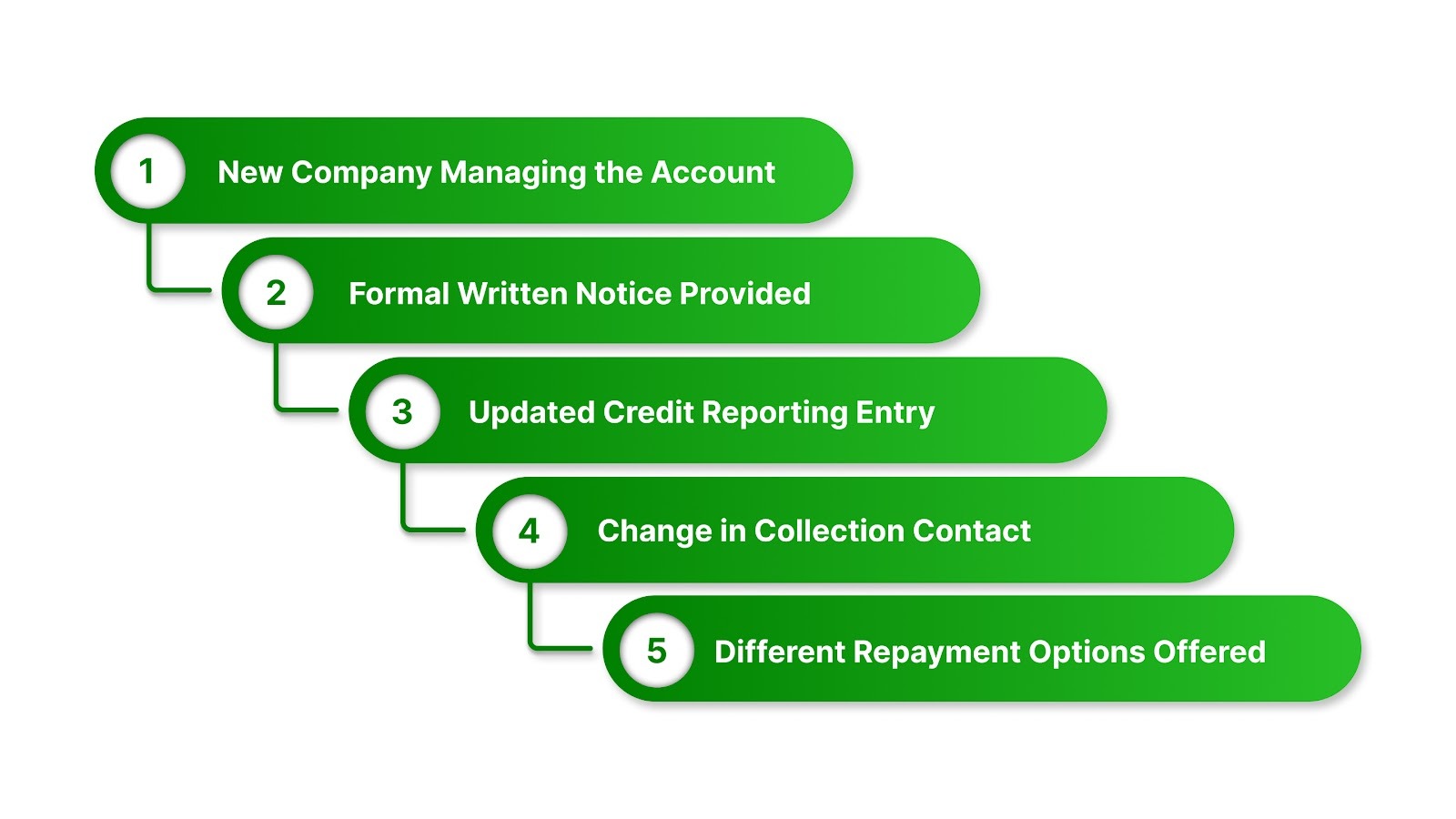
The following points explain what this transfer can mean in practical terms:
- New Company, Same Account: The original lender no longer manages the account. A different company now handles communication and account tracking.
- Formal Written Notice Required: You should receive written details showing the balance claimed and information about your right to question it.
- Credit Reporting May Update: The account may appear under a different company name, but the original delinquency date generally remains the same.
- Collection Contact May Change: You might hear from a collection agency or law firm working on behalf of the current creditor.
- Repayment Flexibility May Differ: A new account manager may offer structured payment options designed to create a manageable path forward.
A transfer changes who you work with, not your ability to respond. Taking time to review the notice allows you to move ahead with informed, steady steps.
Learn how structured account oversight can bring transparency and stability to your situation by reading our guide on Understanding Debt Portfolio Management Services.
How Structured Account Management Brings Clarity to Complex Situations
When you are dealing with an unpaid account, confusion often comes from inconsistent information or unclear communication. Structured account management is designed to bring order to that process. It focuses on accurate recordkeeping, clear communication, and consistent oversight so you can better understand where you stand and what comes next.
The following practices help create transparency and reduce uncertainty:
- Clear Account Tracking: Your account details, balances, and payment history are documented consistently to avoid conflicting information.
- Accurate Documentation Standards: Complete records help confirm account ownership and reduce errors in reported amounts.
- Consistent Communication Practices: Standard procedures guide how and when communication occurs, helping prevent over-contact or mixed messages.
- Compliance-Focused Oversight: Internal safeguards are designed to align with federal consumer protection requirements.
- Organized Resolution Pathways: Structured management supports defined repayment plans with clear timelines and written confirmations.
When account handling follows structured standards, the process becomes more predictable and easier to navigate. Clear records reduce misunderstandings before they escalate.
If you are concerned about vehicle repossession or your legal protections, read our full guide on Can a Debt Collector Take My Car? Understanding Your Rights.
How Your Information Is Protected Throughout the Process
Sharing personal and financial information can feel uncomfortable, especially during an already stressful time. Federal privacy laws and internal safeguards are designed to protect your data, limit how it is used, and reduce the risk of misuse. Clear protections help you communicate and make payments with greater certainty.
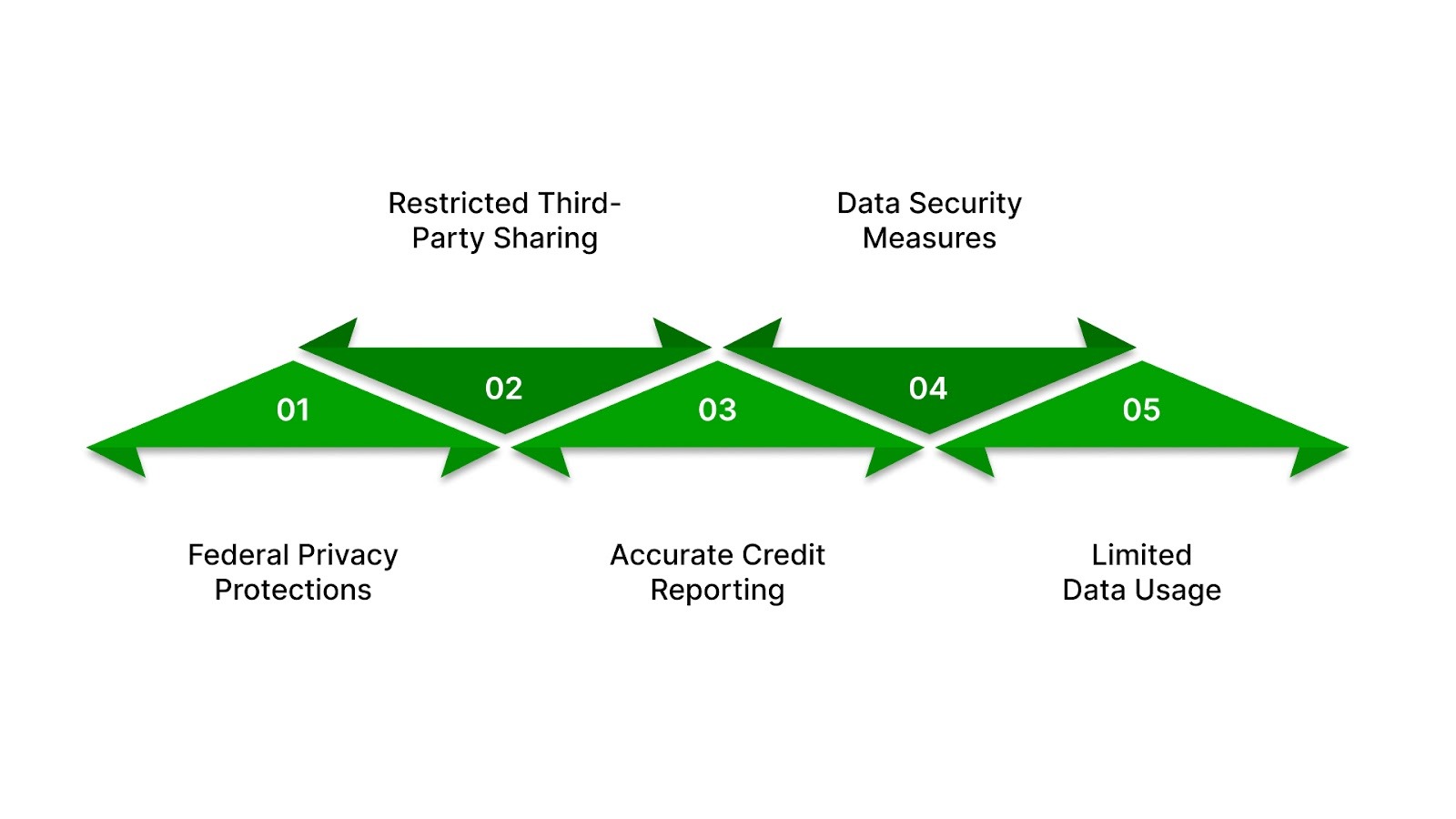
The safeguards below help protect your privacy and financial information:
- Federal Privacy Standards: Laws limit how your personal information can be shared and require clear disclosures about how it is used.
- Restricted Third-Party Disclosure: Your debt details generally cannot be discussed with neighbors, coworkers, or unrelated family members.
- Accuracy in Credit Reporting: Information reported to credit bureaus must follow procedures designed to support accuracy and integrity.
- Data Security Programs: Written security practices help guard against unauthorized access or misuse of your information.
- Limited Use Of Your Data: Your information may be used only for managing the account, not for unrelated marketing or new product offers.
Strong privacy protections are designed to safeguard your peace of mind. Knowing your information is handled carefully allows you to focus on resolving the account with confidence.
Explore practical budgeting and repayment approaches in our guide on Strategies for Paying Off Personal Loans Faster.
Moving Forward With Greater Trust
Financial stress can make every notice feel heavier than it needs to be. What helps most is not urgency, but clarity and steady communication. When you understand the information connected to an account and the steps involved in addressing it, the situation becomes easier to review and manage.
As accounts move through the collections process, different organizations may become responsible for maintaining account records and communication related to the balance. Forest Hill Management operates within this process by handling account documentation, payment processing, and communication associated with outstanding balances.
If you have questions about your account, contact our advisors for personalized support.
FAQs
1. Why Does The Term “Distressed Asset Portfolio” Sound So Serious?
The wording can feel alarming because it sounds technical. In practice, it refers to a group of unpaid accounts being managed together. The label does not change your personal rights or obligations.
2. Can The Balance Increase After An Account Is Placed In A Distressed Asset Portfolio?
In some cases, interest or permitted fees may continue to apply based on the original agreement and state law. You can request a written breakdown of the amount claimed.
3. What Happens If I Previously Made A Payment To The Original Lender?
Payments made before the transfer should be reflected in the account balance. If you believe something is missing, you can request updated documentation before proceeding.
4. Will A Distressed Asset Portfolio Account Affect My Credit?
An unpaid account may appear on your credit report for up to seven years from the original delinquency date. Ownership changes do not reset that reporting period.
5. Can I Set Up Payments Even If I Am Currently Behind On Other Bills?
Yes. Repayment discussions typically consider your overall financial situation. Payment arrangements are often structured around what you can reasonably manage.